Objekty, predmety a priestory, TOP, Stavebné prvky, Stavby, Fotografie

Dvere

Hits: 2370

sú pohyblivé alebo dosky, ktoré slúžia uzatváranie vchodu v stene alebo inom priestore. Ich hlavnou funkciou je poskytnúť kontrolu nad prístupom do miestnosti, alebo iného uzavretého priestoru. Dvere môžu mať rôzne , veľkosti a , a môžu byť vyrobené z rôznych materiálov, vrátane dreva, kovu, skla alebo plastu. Pre účely tohto príspevku ako dvere označujem drevené, sklenené a plastové dvere. Kovové a kamenné dvere považujem z brány. Dvere sú dôležitým prvkom v architektonickom návrhu a dizajne interiérov a exteriérov. Okrem svojej praktickej funkcie prispievajú aj k celkovej estetike a charakteru miestnosti alebo budovy. Dvere môžu byť navrhnuté tak, aby sa otvárali rôznymi spôsobmi, napríklad otáčaním, posúvaním, sklápaním. Súčasné dvere často obsahujú alebo iné mechanizmy, ktoré umožňujú ich uzamykanie alebo iba s použitím kľúča, kódu alebo iného oprávnenia. použité na výrobu dverí môžu ovplyvniť ich vzhľad, a . Rôzne druhy dreva, kovové , a iné materiály sa používajú na výrobu dverí v závislosti od ich účelu a umiestnenia. Existujú rôzne druhy dverí, ktoré slúžia rôznym účelom, ako sú , , , .


Doors are movable panels or boards designed to close an entrance in a wall or another space. Their primary function is to provide control over access to a room, building, or other enclosed space. Doors can come in various forms, sizes, and styles, and can be made from different materials, including wood, , glass, or plastic. For the purpose of this post, I refer to wooden, glass, and plastic doors as doors. I consider metal and stone doors to be gates. Doors are a crucial element in architectural design and the interior and exterior aesthetics of a space. In addition to their practical function, they contribute to the overall look and character of a room or building. Doors can be designed to open in various ways, such as swinging, sliding, or folding. Modern doors often include locks or other mechanisms that allow them to be locked or opened only with a key, code, or other authorization. The materials used to make doors can influence their appearance, safety, and insulation properties. Different types of wood, metal alloys, glass-reinforced plastics, and other materials are used to manufacture doors depending on their purpose and location. There are various types of doors serving different purposes, including entrance doors, interior doors, security doors, sliding doors, and more.


Objekty, predmety a priestory, TOP, Fotografie, Predmety, Dopravné a technické diela

Lavičky

Hits: 1938

sú miesta sedenie umiestnené v exteriéroch alebo interiéroch, sú bežným prvkom v mestských parkoch, záhradách, verejných priestranstvách, na námestiach, ale aj v interiéroch budov. Lavičky môžu byť vyrobené z rôznych materiálov, vrátane dreva, kovu, betónu, plastu alebo kombinácií týchto materiálov. Lavičky majú nielen praktický význam poskytovania , ale majú aj krajinnú, architektonickú funkciu. Ich môže byť jednoduchý a funkčný, ale aj zdobený a umelecký. V mestských parkoch a verejných priestranstvách lavičky často slúžia ako miesto stretávania, oddychu a okolia. Ich umiestnenie a môžu vytvárať príjemné miesta na trávenie času. Niektoré lavičky majú aj ergonomický dizajn. V interiérových priestoroch, ako sú nákupné , alebo , lavičky môžu byť umiestnené na strategických miestach, aby poskytovali miesto na a pohodlné sedenie pre návštevníkov. Lavičky zvyčajne sú v čakárňach v zdravotníckych zariadeniach.


Benches are seating facilities located in or indoor spaces, and they are a common feature in urban parks, gardens, public areas, squares, as well as inside buildings. Benches can be crafted from various materials, including wood, , concrete, plastic, or combinations of these materials. Benches serve not only a practical purpose of providing seating but also have a landscape and architectural function. Their design can range from simple and functional to decorative and artistic. In urban parks and public spaces, benches often serve as meeting points, places for relaxation, and spots for observing the surroundings. Their placement and arrangement can create pleasant areas for spending time. Some benches also feature ergonomic designs for added comfort. In interior spaces such as shopping malls, halls, or museums, benches may be strategically placed to offer a resting place and comfortable seating for visitors. Benches are commonly found in waiting areas within healthcare facilities.


Objekty, predmety a priestory, TOP, Umenie, Fotografie, Umelecké diela

Umelecké predmety

Hits: 6496

Umelecké zahŕňajú rôzne z rôznych materiálov. plátne je tradičnou formou výtvarného umenia. môžu byť vytvorené z rôznych materiálov, ako sú , kameň, kov alebo . a sa môžu používať na výrobu nádob, plastík alebo dekoratívnych prvkov. Šperky sú umeleckými predmetmi, ktoré sa nosia na sebe a často majú dekoratívny charakter. Môžu byť vyrobené z drahých kameňov, kovov alebo iných materiálov. zahŕňa vytváranie umeleckých prostredníctvom tkania, , alebo iných textilných techník. – možno použiť na zachytenie , emócií a príbehov. zahŕňa rôzne , ako sú , lept, a iné, ktoré umožňujú tvorbu umeleckých diel v reprodukovateľnej forme. umeleckých predmetov zo skla a krištáľu je umením, ktoré kombinuje zručnosti remeselníka so zmyslom pre a estetiku. a vznikajú kombinovaním rôznych materiálov, ako sú , fotografie alebo iné prírodné a umelé prvky. S nástupom digitálnej éry vznikli , ktoré kombinujú klasické a digitálne .


Art encompasses various forms created from different materials. Canvas painting is a traditional form of visual art. Sculptures can be crafted from various materials such as wood, stone, , or aluminum. Ceramics and porcelain can be used to create vessels, sculptures, or decorative elements. serves as artistic objects worn on the body and often carries a decorative character. can be made from precious stones, metals, or other materials.

Textile art involves creating artworks through techniques such as weaving, embroidery, or other textile methods. Photography can be employed to capture beauty, emotions, and stories. Graphics include various techniques such as etching, engraving, lithography, and others that allow the creation of reproducible artworks. Crafting artistic objects from glass and crystal is an art that combines the craftsman’s skills with a sense of design and aesthetics. Collages and assemblages arise from the combination of various materials, such as magazines, photographs, or other natural and artificial elements. With the of the digital era, artistic objects have emerged that combine classical techniques and digital art.


Objekty, predmety a priestory, TOP, Umenie, Fotografie, Umelecké diela

Sochy

Hits: 7374

, ktoré môžu byť vytesané z rôznych materiálov. Naše evokujú aj . Sochy obohacujú často . Často sa dá povedať, že tvoria čiastočne umelecké . Navyše integrujú pri človeka, sú motiváciou stretávania sa. má hlboké , siaha do antiky. a tvorili dokonalé sochy s ľudským výrazom. V období renesancie sochárstvo pookrialo, majstri ako , tvorili vrcholné histórie ľudstva. Moderná doba spôsobila v sochárstve radikálne . Objavil sa abstraktných tvarov, sochári objavili nové spôsoby, nové svojich myšlienok a emócií. Využíva sa , , ale aj nekonvenčné ako je recyklovaný kov, , . Sochy reprezentujú emócie, kultúru, .


Statues are artistic creations that can be carved from various materials. They evoke our emotions through monumental memorials as well as abstract sculptures. Statues often enrich urban spaces, creating what can be described as partial art galleries. Moreover, they integrate with people, serving as a motivation for gatherings. Sculpture has deep historical roots that trace back to antiquity. The Greeks and Romans crafted flawless statues with human expressions. During the Renaissance, sculpture experienced a renaissance itself, with masters like Michelangelo and Bernini creating pinnacle works in the history of humanity.

The modern era has brought radical changes to sculpture. A world of abstract forms has emerged, with sculptors discovering new ways and expressions for their thoughts and emotions. Materials such as marble and bronze are still utilized, but unconventional materials like recycled , wood, and glass are also embraced. Statues represent emotions, culture, and ideas. They are more than just static forms; they are conduits of artistic expression that bridge the historical and contemporary, creating a timeless language that speaks to the human experience.


Informácie, Veda, O mne

Environmentalistika a ja

Hits: 11902

Moja odborná špecializácia je , špecializáciu a Prírodovedeckej fakulte v Bratislave. Počas môjho štúdia som za zaoberal smerom ku geografii, konkrétne smerom ku Geografickým informačným systémom-om. Tento záujem neutíchol ani dnes. Musím povedať, že napriek svojmu terajšiemu aj minulému zamestnaniu som rád, že som vyštudoval environmentalistiku. Dostalo sa mi rozsiahlych vedomostí zo širokého spektra vedeckých disciplín. Okrem toho ešte dôležitejšie je, že to zodpovedá môjmu presvedčeniu. Environmentalistiku možno chápať ako autekologickú štúdiu, ako ekológiu zameranú na organizmov, na človeka. V istých medziach je to , avšak myslím že poslanie environmentalistiky je v riešení situácií. Často sa v mnohých otázkach spája s medicínou, s ekonómiou a politikou. Ide o ochranu životného prostredia, ale len v s človekom.


My professional specialization is environmental science, with a focus on ecozoology and physiotactics at the Faculty of Natural Sciences in . During my studies, I also delved into the field of geography, specifically Geographic Information Systems (GIS). This interest persists to this day. I must say that, despite my current and past employment, I am glad that I chose to study environmental science. has provided me with extensive knowledge across a wide range of scientific disciplines. Moreover, more importantly, it aligns with my conviction.

Environmental science can be understood as an autecological study, an ecology focused on the relationships between organisms and their environment, particularly concerning humans. In certain aspects, it is a science, but I believe the mission of environmental science lies in problem-solving. Often, it is intertwined with medicine, economics, and politics. It revolves around the protection of the environment, but always in the context of its impact on humanity.


Návrh na vhodné pre environmentalistiku – praktický názor absolventa

Preferoval by som oveľa viac oproti encyklopedickým. Myslím, že dobrý ochranár nie je prioritne ten, kto vie, ale ten kto má vzťah. Ja by som sa tam snažil presadiť psychológiu, sociológiu, filozofiu, , ekonómiu. Na to by som kládol veľký dôraz. Tieto by mal študent ovládať a tie ostatné – prírodovedné by mali byť študentovým koníčkom. Z hľadiska praxe sa mi totiž zdá dôležitejšie či to vieš presadiť, nie či sa v tom vyznáš. Zbytoční sú , ktorí ovládajú veľké množstvo vedomostí, keď ich nevedia využiť. Úspešný adept si musí veriť.
ako a , by som odporučil učiť len okrajovo. Vymysleli sa už stohy papierov, koncepcií, metodík, krajinnoekologické , , ale mnohokrát sú samoúčelné. Metodiky sú často také, že veľakrát by ju mal použiť , ktorý tomu nerozumie a ani nemá na to prostriedky, aby ju zodpovedne dodržiaval. Aj odborníkovi dajú slušne zabrať.


Suggestion for Subjects Suitable for Environmental Studies – Practical Opinion of a Graduate

I would prefer much more relational knowledge over encyclopedic knowledge. I believe that a good conservationist is not primarily someone who knows but someone who has a connection. I would try to emphasize psychology, sociology, philosophy, law, and economics in this field. I would place great emphasis on these. Students should master these, and the others – the natural sciences – should be the student’s . From a practical perspective, it seems to me more important whether you can assert yourself, not whether you are knowledgeable. People who possess a vast amount of knowledge but cannot use it are unnecessary. A successful candidate must believe in themselves. I would recommend teaching methodologies like LANDEP and ÚSES only marginally. Many stacks of papers, concepts, methodologies, landscape-ecological analyses, syntheses have already been invented, but many times they are self-serving. Methodologies are often such that a person who does not understand them and does not have the means to responsibly adhere to them would use them. They can be quite challenging even for experts.


Separovaný zber a spotreba

Separujem zber asi od roku 1995. Keďže ma zaujíma koľko dokáže odpadu domácnosť vyprodukovať, a spotrebovať a za akých podmienok dochádza k poklesom a nárastu, zistené môžem vyhodnotiť.

podľa rokov

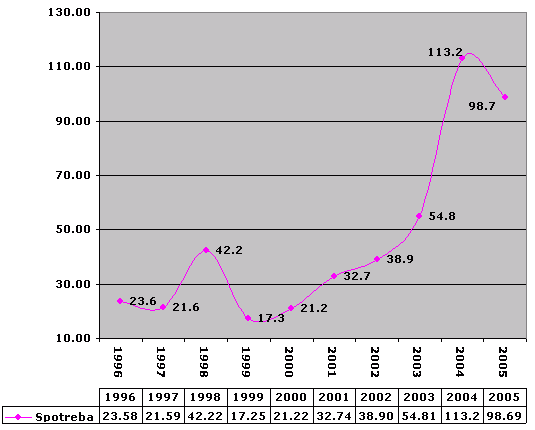
V rokoch 1999/2000 som bol na vojenskej službe, preto zrejme došlo ku poklesu, nárast v roku 1998 vysvetľujem tým, že som bol denne . Nárast v rokoch 2001 až dodnes vysvetľujem veľkými nárastmi reklamných a informačných materiálov.


Separate Collection and Energy Consumption

I have been separating waste since around 1995. Since I am interested in how much waste a household can produce, and consume, and under what conditions there are , I can evaluate the values ​​I have found.

Collection of paper by years

In the years 1999/2000, I was on military service, so there was probably a decrease. The increase in 1998 is explained by the fact that I was at home every day. The increase from 2001 to the present is explained by significant increases in advertising and informational materials.
Environmentalistika a ja

K 1.1.2006 som vyseparoval 472 kg papiera. / As of January 1, 2006, I separated 472 kg of paper.

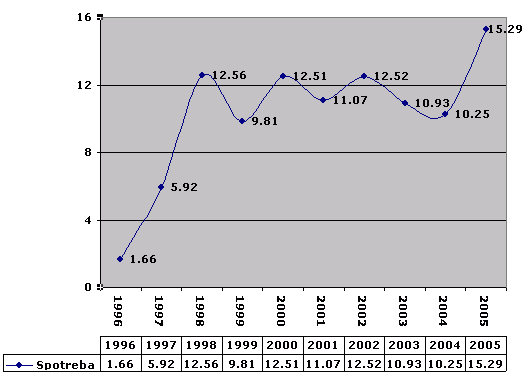
Na začiatku, keď začali separovať, veľmi dlho trvalo, kým si na to dostalo do vedomia, svoje zohrala aj ochota a . Potom, ako možno vidieť z roku 1998 sa situácia stabilizovala.


The separation of plastics was challenging at the beginning, and it took a while for awareness to build. Habits and willingness also played a role. As seen from the data in 1998, the situation stabilized over time.
Environmentalistika a ja

K 1.1.2006 som vyseparoval 105 kg plastov.

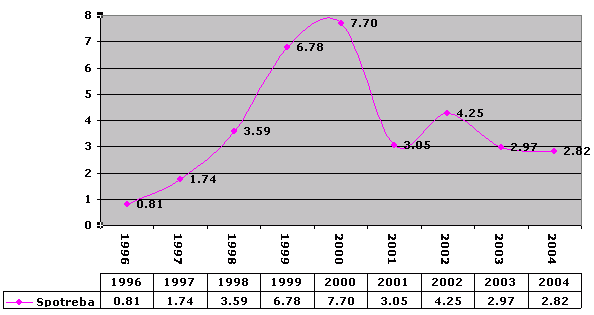
Na príklade kovov je jasne vidieť veľké rozdiely, ktoré som naznačoval vyššie. V rokoch 1999-2000 som bol na ZVS. Konzervová sa jasne prejavila – okolo 7 kg na rok.

On January 1, 2006, I separated 105 kg of plastics.

Metals

The example of metals clearly shows significant differences, as I mentioned earlier. In the years 1999-2000, I was in military service, and the use of canned food is evident, contributing to about 7 kg per year.


Environmentalistika a ja

K 1.1.2006 som vyseparoval 46 kg kovov.

Evidované obdobie – od roku 1998


On January 1, 2006, I separated 46 kg of metals.

Energy Consumption

Recorded period – from 1998

Water

Environmentalistika a ja

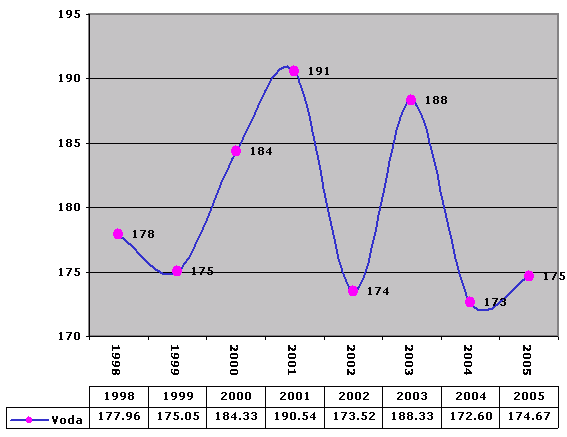
Spotreba je m3 / The consumption is in cubic meters.
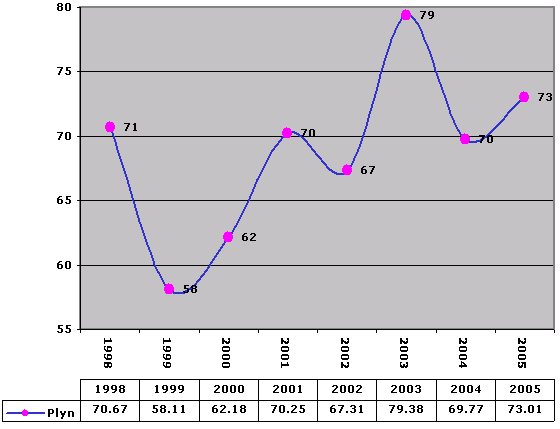
/ Gas

Environmentalistika a ja

Spotreba je m3

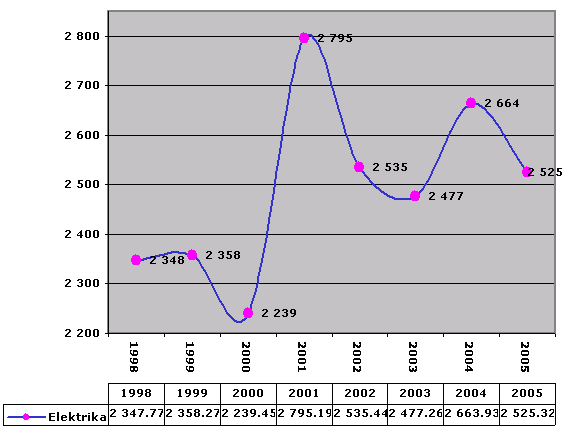
Podľa jednotlivých rokov – v roku 2001 došlo ku výraznejšiemu nárastu – príčina najmä pomerne silné – v rokoch 2002, 2003 došlo ku miernemu poklesu – vymenili sme starú chladničku za síce väčšiu a kombinovanú s mrazničkou, ale novú. V roku 2005 sme kúpili novú práčku, v roku 2006 nový sporák.


Electricity

By individual years – in 2001 there was a significant increase – the main cause was relatively powerful heaters – in 2002, 2003 there was a slight decrease – we replaced the old refrigerator with a larger one and combined with a freezer, but new. In 2005, we bought a new washing machine, and in 2006 a new stove.

Environmentalistika a ja

Spotreba je kWh.