Akvaristická technika, Akvaristika

Osvetlenie akvária

Hits: 27735

Svetlo je podstatnou abiotickou zložkou, ktorou sa musí akvarista v byte zapodievať. Za jeho výdatnej pomoci prebiehajú v akváriu biologické biochemické aj fyzikálne procesy. Keďže v miernom pásme, v ktorom sa nachádzam ja, a asi aj väčšina z vás, kde je dĺžka slnečného svitu od jesene do jari nedostatočná, zabezpečenie umelého osvetlenia je nevyhnutné. Samotné slnečné lúče sú síce primárnym zdrojom energie, avšak nie sú príliš žiaduce v akvaristike. Dôvodom je to, že lúče v prírode nedopadajú mimo hladiny. V umelých nádržiach však dopadajú na bočné steny, čo je často dôvodom rias na čelnom skle aj vo vode. Navyše vodné toky tečú v dolinách, a tie sú neraz zarezané v krajine, v skalách. Z geomorfologického hľadiska sa dá predpokladať, že vodný tok tečie v zvlnenom profile. To znamená, že slnečné lúče ťažšie prenikajú do vody v nich ako u nás v dome či byte. Voda v prírode je okrem toho často znečistená, alebo jednoducho zafarbená.. Aj preto odporúčam mať akvárium v tmavšej časti miestnosti, a svietiť počas dná radšej umelým svetlo. Je len samozrejmé, že slnečného svetla sa celému kompletu pravdepodobne aj tak dostane dosť. Ani rybám by sa asi nepáčilo neustále plávať v tme. Svoju úlohu má aj estetické a funkčné hľadisko, najmä pri pozorovaní života v akváriu. Ryby nedokážu príliš svetlo prijímať očami. Nie do takej miery ako cicavce, alebo hmyz. Je to možno zvláštne, ale evolučne nedosiahli taký stupňa vývoja, ako by sme si asi na prvý pohľad mysleli. Ryby prijímajú svetlo hlavne kožou, celým povrchom tela.

Pri nadbytku svetla v akváriu, vznikajú zelené riasy, pri nedostatku svetla, hnedé riasy. Kedysi sa používali v chovateľstve vôbec žiarovky. Už dávnejšie sa od toho upustilo. Je to vhodné napr. pre plazy do terária, kde tento skvelý vynález slúži skôr ako zdroj tepla, ako svetla. Nájdu prípadne uplatnenie pre rastlinné akvária ak akvarista nemá iný zdroj teplého svetla. Pretože rastliny preferujú skôr teplú zložku farebného spektra, ktorú poskytuje bežná žiarovka. Je to podobné ako u suchozemských rastlín. Chlorofyl je obsiahnutý aj vo vodných rastlinách, len riasy obsahujú iný typ chlorofylu. Suchozemské rastliny majú fotosyntetickú účinnosť iba 1 %, takže je to z ľudského pohľadu, mrhanie energie. Je to zapríčinené špecializáciou enzýmov, chlorofylu a širokopásmovosťou spektra prirodzeného svetla. Žiarovky odovzdávajú akvaristovi energiu tak, že 20 % sa transformuje na svetlo a 80 % na teplo. Tento stav nie je veľmi žiaduci. Akvarista potrebuje z osvetlenia získať svetlo, teplo je nadbytočné. Navyše zabezpečiť dostatočné žiarovkové osvetlenie pre napr. väčšiu nádrž môže byť problém. Problémom je aj to, že žiarovkové svetlo je bodové. Tieto nedostatky však nemajú žiarivky. Ich svetlo sa šíri rovnomernejšie a energiu odovzdáva zhruba v opačnom pomere ako žiarovka – 85% svetlo, 15% teplo. Existujú rôzne odporúčania, pre žiarovky odporúčam 1 – 2 W na 1 l objemu.

Pre žiarivkové trubice – na 1 dm2 plochy dna minimálne 1W, optimálne 1.5 – 2 W pri nádržiach do výšky 50 cm. Tí čo chcú pestovať rastliny môžu použiť ešte vyššie výkony, avšak potom hrozí vysoká koncentrácia rias. Samozrejme, že to nie je len o wattoch. Záleží na svetelnom toku, na tom akej kvality je dané svetlo, či poskytuje teplú bielu, studenú bielu, modré, červené svetlo, atď. Parametre by mali byť uvedené na trubiciach, odporúčam si to riadne pred kúpou preštudovať. Bežne sa používajú trubice, ktorých teplota farby je od 3500 – do 25000 Kelvinov. Pre rastlinné akvárium odporúčam teplejšie farby – pod 5000K. Pre bežného akvaristu 6500 K, pre morského akvaristu nad 9300 K. Použiteľnosť trubíc je často u špeciálnych akvaristických trubíc 0.5 – 0.75 roka. To je veľmi krátka doba. Po nej je dobré trubice vymeniť, ich účinnosť klesá až na 50%. Obyčajnejšie trubice, vydržia účinne oveľa dlhšie. Pri všetkých trubiciach, s ktorými som sa doteraz stretol, bola uvedená životnosť 8 000 – 10 000 hodín. Avšak špeciálne trubice nedosiahnu za 0.5 roka 10 000 svetelných hodín a ich výkonnosť pritom rapídne klesá. Iné trubice pri konci životnosti ešte stále majú 80 – 90 % účinnosť. Preferujem trubice Philips, Osram. V každom prípade je dobré mať poruke nejaké náhradné trubice.

Pre vyššiu životnosť trubíc jeeálne mať medzi vypínačom a štartérom predradník. Svetlo sa bude spínať naraz, a výrazne sa predĺži životnosť trubice. Ako alternatíva ku lineárnym žiarivkám – trubiciam je možné použiť aj kompaktné žiarivky. Tie sú napokon dnes už bežne dostupné v hypermarketoch. Ich účinnosť je samozrejme nižšia. Pre akvária vyššie ako 50 cm sa odporúčam tzv. HQI výbojky. Tie sú schopné účinnejšie presvietiť vyšší vodný stĺpec ako žiarivky. Pre to, aby naša nádrž prosperovala jeeálne mať pravidelné, resp. objektívne kontrolovateľné spínanie svetla. Je to lepšie riešenie ako sa spoliehať na ľudský faktor. Komplety s rastlinami by mali mať dostatok svetla počas dňa 12-14 hodín,. Predstava, že stačí poskytovať prosperujúcemu akváriu svetlo iba večer je mylná. Vodné rastliny sú skôr schopné prispôsobiť sa slabému zdroju osvetlenia ako jeho nedostatočnej dĺžke. Pre optimálne zabezpečenie pravidelnému svetelného režimu súeálne spínacie hodiny. Pravidelnosť režimu vplýva výrazne aj na aktivitu a celkové správanie rýb. Niektoré ryby dokonca začnú inak plávať. Je to známe napr. o neónkach. Ak im poskytneme bočné svetlo, ktoré nedopadá zvrchu, tak sa stane, že neónky začnú úplne mimovoľne plávať šikmo. Ako by sa im naklonila zem – snažia ja plávať kolmo na smer dopadajúcich lúčov. Napr. živorodky veľmi rýchlo „ožívajú“ po zasvietení po predchádzajúcej „tme“, cichlidám sa narúša biorytmus a oveľa dlhšie im trvá, než ich „presvedčím“ aby sa aspoň trochu rozplávali. Druhá strana mince je zase fakt, že pri tme nie sú také „slepé“. Napokon sami dobre vieme, že tma a svetlo vplýva výrazne aj na človeka. Problémom je, že spínacie hodiny trpia na vysokú indukčnú záťaž. Najpoužívanejšie žiarivkové trubice majú vysokú indukčnú záťaž, napriek relatívne nízkemu odberu prúdu. Preto odporúčam mechanické spínacie hodiny, alebo preverené digitálne. Mám skúsenosť, že digitálne spínacie hodiny sa často resetovali.


Light is an essential abiotic component that aquarium enthusiasts must consider in their homes. With its significant help, biological, biochemical, and physical processes take place in the aquarium. In the temperate zone where I am located, and probably many of you, the sunlight duration from fall to spring is insufficient. Therefore, providing artificial lighting is necessary. While sunlight is the primary source of energy, it’s not highly desirable in aquariums. In nature, sunlight doesn’t penetrate below the water surface, but in artificial tanks, it often hits the side walls, leading to algae growth on the glass and in the water. Additionally, water currents flow in valleys, which are often cut into the landscape, making it harder for sunlight to penetrate the water.

For these reasons, I recommend placing the aquarium in a darker part of the room and using artificial light during the day. It’s evident that some sunlight will still reach the entire setup. Fish probably wouldn’t enjoy swimming in constant darkness either. Aesthetic and functional aspects also play a role, especially when observing aquarium life. Fish can’t perceive light with their eyes as much as mammals or insects. They mainly sense light through their skin, covering their entire body surface. Excess light in the aquarium leads to green algae, while a lack of light results in brown algae. In the past, incandescent bulbs were used in breeding. However, this practice has been abandoned as they’re more suitable as a heat source than a light source. Compact fluorescent bulbs are a common alternative, but their efficiency is lower.

Fluorescent tubes are preferred for aquariums taller than 50 cm. High-Intensity Discharge (HQI) lamps are recommended for even better penetration in taller tanks. Regular maintenance and replacement of tubes are crucial for optimal performance. Precautions, such as using a ballast before the switch and starter, can extend the life of fluorescent tubes. Having a regular and objectively controllable light schedule is crucial for the aquarium’s well-being. Timers are better than relying on human intervention. Aquarium kits with plants should receive light for 12-14 hours a day for optimal growth. Providing light only in the evening is a misconception. The regularity of the light regime significantly affects the activity and overall behavior of fish. Some fish change their swimming patterns based on the light source’s direction. In conclusion, proper lighting is vital for a thriving aquarium, considering factors like light type, duration, and schedule.


Licht ist eine wesentliche abiotische Komponente, mit der sich der Aquarianer in seiner Wohnung auseinandersetzen muss. Mit seiner erheblichen Hilfe laufen biologische, biochemische und physikalische Prozesse im Aquarium ab. Da die Sonneneinstrahlung im gemäßigten Bereich, in dem ich mich befinde und wahrscheinlich viele von Ihnen, von Herbst bis Frühling unzureichend ist, ist die Bereitstellung künstlicher Beleuchtung notwendig. Während Sonnenlicht die primäre Energiequelle ist, ist es in Aquarien nicht besonders wünschenswert. In der Natur dringt Sonnenlicht nicht unter die Wasseroberfläche, trifft aber in künstlichen Behältern oft auf die Seitenwände, was zu Algenwachstum auf dem Glas und im Wasser führt. Darüber hinaus fließen Wasserströme in Tälern, die oft in die Landschaft geschnitten sind, was es für Sonnenlicht erschwert, ins Wasser einzudringen.

Aus diesen Gründen empfehle ich, das Aquarium in einem dunkleren Teil des Raumes zu platzieren und tagsüber künstliches Licht zu verwenden. Es ist offensichtlich, dass trotzdem etwas Sonnenlicht die gesamte Einrichtung erreicht. Fische würden wahrscheinlich auch nicht gerne in ständiger Dunkelheit schwimmen. Ästhetische und funktionale Aspekte spielen ebenfalls eine Rolle, insbesondere beim Beobachten des Aquariumlebens. Fische können Licht nicht so stark mit ihren Augen wahrnehmen wie Säugetiere oder Insekten. Sie nehmen Licht hauptsächlich durch ihre Haut wahr, die ihre gesamte Körperoberfläche bedeckt. Überschüssiges Licht im Aquarium führt zu grünem Algenwachstum, während Lichtmangel zu braunen Algen führt. In der Vergangenheit wurden Glühlampen zur Zucht verwendet. Diese Praxis wurde jedoch aufgegeben, da sie eher als Wärmequelle denn als Lichtquelle geeignet sind. Kompaktleuchtstofflampen sind eine übliche Alternative, aber ihre Effizienz ist geringer.

Fluoreszierende Röhren werden für Aquarien über 50 cm Höhe bevorzugt. Für noch bessere Durchdringung in höheren Tanks werden Hochdruckentladungslampen (HQI) empfohlen. Regelmäßige Wartung und Austausch der Röhren sind entscheidend für eine optimale Leistung. Vorsichtsmaßnahmen wie die Verwendung eines Vorschaltgeräts vor dem Schalter und dem Starter können die Lebensdauer von Leuchtstoffröhren verlängern. Ein regelmäßiger und objektiv kontrollierbarer Lichtplan ist entscheidend für das Wohlbefinden des Aquariums. Timer sind besser als die Abhängigkeit von menschlichem Eingreifen. Aquariumsets mit Pflanzen sollten für optimales Wachstum 12-14 Stunden am Tag beleuchtet werden. Die Vorstellung, dass es ausreicht, einem prosperierenden Aquarium nur abends Licht zu geben, ist ein Irrtum. Die Regelmäßigkeit des Lichtregimes beeinflusst das Verhalten und die Gesamtbewegung der Fische erheblich. Einige Fische ändern sogar ihre Schwimmuster basierend auf der Richtung der Lichtquelle. Zusammenfassend ist eine ordnungsgemäße Beleuchtung für ein blühendes Aquarium unerlässlich, wobei Faktoren wie Lichttyp, Dauer und Zeitplan zu berücksichtigen sind.

Akvaristika, Biológia, Fotografie, Organizmy, Príroda, Živočíchy

Morfológia rýb

Hits: 12843

Telo rýb tvorí hlava, trup, chvost. Chrbtová časť sa pomenúva odborne dorzálnou a brušná časť ventrálnou. Tvarom tela sa ryby prispôsobujú prúdeniu vody, na ktorý sú v prírode adaptované hydrodynamicky. Niektoré majú tvar z bokov sploštený: Pterophyllum (skaláre), Symphysodon (terčovce), iné sú šťukovitého tvaru – kaprozúbky. Sploštené telo je prispôsobenie na viac-menej stojacu vodu a vysokú, hustú trávovitú vegetáciu. Samozrejme svoju úlohu hrá evolúcia a genetická výbava. Druhy vyslovene prúdnicového tvaru sú často dravce. Druhy, ktoré nemajú nejakú časť tela zvýraznenú pochádzajú obyčajne z hlbokých vôd väčších jazier – v takomto prípade aj ich plutvy nie sú schopné zabezpečiťeálne plávanie. Plutvy majú ryby párové – brušné a prsné a nepárové – chvostová a chrbtová, ritná, prípadne tuková.

Aj ústami sa ryby prispôsobujú svojmu životnému prostrediu. Dravé ryby majú ústnu dutinu značne ozubenú, no tvar zubov iných typov rýb je skôr v podobe piestov mlynského kolesa. Horné ústa smerujúce nahor majú druhy chytajúce vodný hmyz, a druhy prijímajúce potravu najmä z hladiny. Vodorovne stavané ústa – koncové ústa sú najbežnejšie, ale druhy spodnej časti vodného stĺpca, dnové ryby majú často spodné ústa – napr. Corydoras, Brochis – pancierniky, sumčeky, nožovce, číky. Aj tvar gonopódia – samčieho pohlavného orgánu živorodiek patrí medzi určovacie znaky. Podobne mečík, ktorý sa vyvíja samcom rodu Xiphophorus. Je to vlastne predĺženie chvostovej plutvy, začína vyrastať samcom pri dospievaní, prípadne pri zmene pohlavia. Pre ryby je bočná čiara veľmi dôležitým orgánom, a je v živočíšnej ríši ojedinelý. Mnoho jej funkcií je ešte opradených tajomstvom, ale každopádne ryba sa pomocou nej dokáže orientovať, cítiť nebezpečenstvo. Oslepená ryba sa orientuje a pláva bez zaváhania vďaka bočnej čiare. Čeľaď Cichlideae sa vyznačuje dvoma bočnými čiarami. Meristické znaky hovoria o počte lúčov v plutvách, počte šupín, ktoré opisuje vzorec. Tento je druhovo špecifický.

Ryby oplývajú väčšinou monokulárnym videním. Existujú však aj druhy, ktoré sa tešia binokulárnemu videniu ako aj človek. Monokulárne videnie limituje ich pohľad na okolie, inak tieto druhy skladajú obraz. Ak takáto ryba chce vnímať svoju korisť zrakom, musí k nej pristupovať zboku. Vysvetlím to zrejme na človeku bližšom príklade – predstavte si králika – ak je ústami otočený ku vám – pozerá sa nabok – pred seba nevidí, ak vás chce vidieť – musí otočiť hlavu o 90°. Ryby nemajú slzné žľazy ani očné viečka – zavrieť oči nedokážu, ani plakať.

Sfarbenie rýb závisí najmä od podmienok prostredia, správania a režimu dňa a noci. Ryby hrajú rôznymi farbami, vyskytujú sa vo všetkých farbách, napriek to, ja by som povedal vďaka nedostatku svetla. Predsa len do vody prenikne menej slnečného svitu ako na suchú zem. Ryby dokážu svoju farbu aj zmeniť, čo môžeme aj my pozorovať vo svojom akváriu – je to však druhovo špecifické. Nočné sfarbenie môže byť teda odlišné od toho denného. Obyčajne vtedy stráca kontrast a ryby majú celkovo tmavšie farby. Niekedy je zmena tak veľká, že ryby si občas začínajúci akvarista pomýli. Podobne dokážu ryby meniť farbu pri chorobe – avšak vtedy nemusí isť len o stmavnutie, ale aj o vyblednutie. Krajšie a kontrastnejšie sfarbenie má ryba počas rozmnožovania, keď je v kondícii, pri predvádzaní v skupine, pred partnerkami apod., ak nie je stresovaná. Sfarbenie závisí aj od veku – mladé jedince sú často rovnako sfarbené, ale pri dospievaní sa dajme tomu samce sfarbia inak a samičky zostanú viac-menej rovnaké. Na sfarbenie rýb (napokon aj iných živočíchov) má vplyv potrava. Je zaujímavé, že sladká paprika, ktorá obsahuje množstvo prírodného farbiva karoténu sa používa na vyfarbenie kresby rýb.

Upozorniť by som chcel najmä na to, že ryby ktoré sú v akvaristických obchodoch nie sú sfarbené tak dobre, ako v prírode, alebo po dlhšej dobe u akvaristu. Dôvod je prozaický, v obchode, na verejnosti sú pod neustálym stresom. Takže, ak ste niekedy sklamaní, keď sa pozriete do literatúry a zapáči sa vám nejaký druh, ktorý potom v obchode vôbec nevyzerá tak pekne, vedzte, že ak mu poskytnete kvalitné podmienky, onedlho sa zafarbí do krásy. Naopak, mnohokrát sa vám veľmi páčia ryby, ktoré si kúpite a časom stratia pôvodné farby. V horšom prípade boli napichané nejakým farbivom, alebo boli „dopované“ nejakým krmivom, ktoré obsahovali vysoké dávky farbív. Napr. astaxantínu, alebo karoténu. Samozrejme, niekedy nejde o nič zlé, len o zmenu sfarbenia vplyvom inej výživy. Napokon pri správnom kŕmení možno naopak dosiahnuť farby, aké ste predtým na svojich rybách nepozorovali.

Pohlavný dimorfizmus

Niektoré druhy rýb sa vyznačujú väčšími vonkajšími telesnými rozdielmi, iné menej, a niektoré vôbec, každopádne pohlavia sa rozlišujú inými vnútornými telesnými rozdielmi. Medzi vonkajšie rozdiely patrí najmä sfarbenie. Samce sú takmer vždy prenikavejšie sfarbené, ich kresba je bohatšia, kontrastnejšia. Pri niektorých druhoch, napr. neónke červenej, terčovcoch, skalároch je sfarbenie oboch pohlaví takmer totožné, pri niektorých druhoch sú rozdiely postrehnuteľné, no niektoré druhy prejavujú značné pohlavné rozdiely. Tvarom sa nejako výrazne ryby pohlavne obyčajne nelíšia. Na druhej strane z hľadiska rozlišovania je sfarbenie častokrát ťažko posúditeľné a tvar plutiev, celého tela je determinujúcejší. V prípadoch, kedy sa vzájomne pohlavia odlišujú tvarom, napr. tvarom plutiev, dĺžkou tela, tvarom úst, bruška apod. je veľmi veľa, sú však ťažšieentifikovateľné, pretože rozdiely sú častokrát len jemné, ale sú jednoznačnejšie ako sfarbenie. Samičky majú často zadné plutvy oblejšie, samčekovia ich majú hranatejšie, niekedy sa na nich vyskytuje škvrna. Samičky majú zvyčajne oblejšie, plnšie bruško ako samce. Chrbtová plutva samcov je rovnako obyčajne mohutnejšia, kontrastnejšia. Samce sú silnejšie, zvyčajne dorastajú do väčších dĺžok. Značný dimorfizmus sa prejavuje u pávích očiek – Poecilia reticulata, kde sú obe pohlavia veľmi rozdielne tvarom celého tela aj sfarbením. Samce sú v tomto prípade menšie, štíhlejšie a oveľa farebnejšie, samičky sú neraz celkom bez farby.


The body of fish consists of a head, trunk, and tail. The dorsal part is professionally called the dorsum, and the ventral part is the ventrum. The shape of the body allows fish to adapt hydrodynamically to the water flow, to which they are naturally adapted. Some have a laterally flattened shape: Pterophyllum (angelfish), Symphysodon (discus), while others have a pike-like shape – perch. Flattened bodies are an adaptation to more or less stagnant water and dense grassy vegetation. Evolution and genetic makeup also play a role in shaping their bodies. Species with a distinctly streamlined shape are often predators. Species lacking any emphasized body part usually come from deep waters of larger lakes – in such cases, their fins may not facilitateeal swimming. Fish have paired fins – pelvic and pectoral – and unpaired fins – caudal, dorsal, anal, and sometimes adipose fins.

Fish mouths are adapted to their environment. Carnivorous fish have a highly toothed oral cavity, while the shape of teeth in other fish is more like the vanes of a water wheel. Species catching aquatic insects with upward-facing mouths and those primarily feeding from the surface have upper mouths, while horizontally positioned mouths – terminal mouths – are most common. However, species from the lower part of the water column, bottom-dwelling fish, often have lower mouths – e.g., Corydoras, Brochis – armored catfish, catfish, knifefish, loaches. The shape of the gonopodium – the male reproductive organ of livebearers – is among the distinguishing features. Similarly, the swordtail, which develops in males of the Xiphophorus genus, is essentially an extension of the caudal fin, starting to grow in males during maturity or gender change. The lateral line is a crucial organ for fish and is unique in the animal kingdom. Many of its functions remain mysterious, but it allows fish to orient themselves and sense danger. A blinded fish can navigate and swim without hesitation thanks to the lateral line. The Cichlidae family is characterized by two lateral lines. Meristic characteristics indicate the number of rays in the fins, the number of scales, described by a specific pattern – this pattern is species-specific.

Fish mostly possess monocular vision. However, some species, like humans, enjoy binocular vision. Monocular vision limits their view of the surroundings; otherwise, these species compose an image. If such a fish wants to perceive its prey visually, it must approach it from the side. Let me explain this with a more human-related example – imagine a rabbit – if its mouth is turned towards you, looking sideways, it cannot see in front of it. If it wants to see you, it has to turn its head 90°. Fish lack tear glands or eyelids – they cannot close their eyes or cry.

The coloration of fish depends mainly on environmental conditions, behavior, and the day-night cycle. Fish display various colors; they come in all shades, but this is partly due to the limited light penetrating the water compared to dry land. Fish can change their color, which we can observe in our aquariums – however, it’s species-specific. Nocturnal coloration can differ from daytime coloration. Usually, it loses contrast, and the fish appear darker. Sometimes the change is so significant that beginner aquarists may confuse their fish. Fish can also change color when sick – not just darkening but also fading. Fish exhibit more beautiful and contrasting colors during breeding, when in good condition, displaying in groups, in front of potential mates, etc., if not stressed. Coloration also depends on age – young individuals are often similarly colored, but during maturity, males may show different colors while females remain more or less the same. Diet also influences the coloration of fish. It’s interesting that sweet pepper, which contains a lot of the natural pigment carotene, is used to enhance the colors of fish drawings.

I want to emphasize that fish in pet stores are not colored as well as in nature or after some time with an aquarist. The reason is simple – in the store, they are under constant stress in a public environment. So, if you are ever disappointed when you look at literature and like a species that doesn’t look as nice in the store, know that if you provide it with quality conditions, it will soon color up beautifully. Conversely, many times you may like fish that you buy, and over time, they lose their original colors. In the worst case, they were injected with some dye or were „enhanced“ with a diet containing high doses of color enhancers like astaxanthin or carotene. Of course, sometimes there is nothing wrong, just a change in color due to different nutrition. On the contrary, with proper feeding, you can achieve colors on your fish that you hadn’t observed before.

Sexual dimorphism

Some fish species are characterized by more significant external differences between the sexes, while others have fewer or none at all. Nevertheless, genders are distinguished by internal physical differences. External differences include mainly coloration. Males are almost always more brightly colored; their patterns are richer and more contrasting. In some species, such as red neon tetras, discus, angelfish, the coloration of both sexes is almostentical, while in others, differences are noticeable. Fish typically don’t differ much in body shape by gender. However, concerning differentiation, coloration is often difficult to assess, and the shape of fins, the entire body, is more conclusive. In cases where genders differ in shape, e.g., fin shape, body length, mouth shape, belly shape, etc., there are many, but they are more challenging toentify because differences are often subtle but clearer than coloration. Females often have more rounded dorsal fins; males have more angular ones, sometimes with spots. Females usually have plumper, fuller bellies than males. The dorsal fin of males is usually more massive and more contrasting. Males are stronger and usually grow to larger lengths. Significant dimorphism is evident in the case of guppies (Poecilia reticulata), where both sexes differ greatly in body shape and coloration. Males are smaller, slimmer, and much more colorful, while females are often completely colorless.


Der Körper der Fische besteht aus Kopf, Rumpf und Schwanz. Der Rückenbereich wird fachmännisch als dorsaler und der Bauchbereich als ventraler Bereich bezeichnet. Die Form des Körpers passt sich hydrodynamisch dem Wasserfluss an, dem die Fische in der Natur angepasst sind. Einige haben seitlich abgeflachte Formen: Pterophyllum (Skalare), Symphysodon (Diskusfische), andere haben einen hechtähnlichen Körperbau – Hechte. Ein abgeflachter Körper ist eine Anpassung an mehr oder weniger stehendes Wasser und eine hohe, dichte, grasbewachsene Vegetation. Natürlich spielt die Evolution und genetische Ausstattung eine Rolle. Arten mit einer ausdrücklich strömungsangepassten Form sind oft Raubfische. Arten, die keinen Teil ihres Körpers betonen, stammen normalerweise aus den tiefen Gewässern größerer Seen – in diesem Fall können auch ihre Flossen keineales Schwimmen gewährleisten. Fische haben gepaarte Flossen – Bauch- und Brustflossen sowie unpaare Flossen – Schwanz-, Rücken-, After- und manchmal Fettflossen.

Auch die Münder der Fische passen sich ihrer Umgebung an. Raubfische haben oft einen stark gezackten Mund, aber die Form der Zähne anderer Fischarten ähnelt eher den Zähnen eines Wassermühlenkolbens. Arten, deren obere Mäuler nach oben gerichtet sind, fangen Wasserinsekten, während Arten, die ihre Nahrung hauptsächlich von der Wasseroberfläche aufnehmen, nach unten gerichtete Mäuler haben. Horizontal angeordnete Mäuler – Endmäuler sind am häufigsten, aber Arten am unteren Teil der Wassersäule, Bodenfische, haben oft untere Mäuler – zum Beispiel Corydoras, Brochis – Panzerwelse, Welsarten, Messerfische, Dornaugen. Auch die Form des Gonopodiums – des männlichen Fortpflanzungsorgans lebendgebärender Fische, gehört zu denentifikationsmerkmalen. Ebenso der Schwert, der sich bei den Männchen der Gattung Xiphophorus entwickelt. Es handelt sich im Grunde um eine Verlängerung der Schwanzflosse, die beim Erreichen der Geschlechtsreife bei den Männchen zu wachsen beginnt oder bei Geschlechtswechsel. Die Seitenlinie ist für Fische ein sehr wichtiges Organ, das in der Tierwelt selten ist. Viele ihrer Funktionen sind noch von Geheimnissen umgeben, aber auf jeden Fall kann sich ein Fisch mit ihrer Hilfe orientieren und Gefahren spüren. Ein blind Fisch kann sich dank der Seitenlinie orientieren und ohne Zögern schwimmen. Die Familie Cichlidae zeichnet sich durch zwei seitliche Linien aus. Meristische Merkmale geben Auskunft über die Anzahl der Flossenstrahlen, die Anzahl der Schuppen, die durch eine Formel beschrieben wird. Diese ist artspezifisch.

Fische haben in der Regel monokulares Sehen. Es gibt jedoch auch Arten, die ein binokulares Sehen genießen, wie der Mensch. Das monokulare Sehen beschränkt ihren Blick auf die Umgebung, während diese Arten ein Bild zusammensetzen. Wenn solch ein Fisch seine Beute mit den Augen sehen möchte, muss er sich seitlich nähern. Ich erkläre dies wahrscheinlich an einem dem Menschen näheren Beispiel – stellen Sie sich einen Hasen vor – wenn er mit dem Mund zu Ihnen gedreht ist – schaut er zur Seite – er sieht nichts vor sich, wenn er Sie sehen möchte – muss er den Kopf um 90° drehen. Fische haben keine Tränendrüsen oder Augenlider – sie können ihre Augen nicht schließen oder weinen.

Die Färbung der Fische hängt hauptsächlich von den Umgebungsbedingungen, dem Verhalten und dem Tag-Nacht-Zyklus ab. Fische spielen mit verschiedenen Farben, sie treten in allen Farben auf, trotzdem, würde ich sagen, aufgrund des Mangels an Licht. Schließlich dringt weniger Sonnenlicht ins Wasser ein als auf das trockene Land. Fische können auch ihre Farbe ändern, was wir auch in unserem Aquarium beobachten können – es ist jedoch artenspezifisch. Die nächtliche Färbung kann also von der Tagesfärbung abweichen. Normalerweise verliert sie dann an Kontrast, und die Fische haben insgesamt dunklere Farben. Manchmal ist die Veränderung so groß, dass Anfänger-Aquarianer die Fische gelegentlich verwechseln. Auch können Fische ihre Farbe bei Krankheit ändern – es muss jedoch nicht nur um Verdunkelung gehen, sondern auch um Ausbleichen. Während der Paarungszeit hat der Fisch normalerweise schönere und kontrastreichere Farben, wenn er in guter Verfassung ist, wenn er sich in einer Gruppe präsentiert, vor seinen Partnerinnen usw., wenn er nicht gestresst ist. Die Färbung hängt auch vom Alter ab – junge Exemplare sind oft genauso gefärbt, aber während der Geschlechtsreife färben sich die Männchen anders und die Weibchen bleiben mehr oder weniger gleich. Die Ernährung beeinflusst auch die Färbung der Fische (schließlich auch anderer Tiere). Es ist interessant, dass süßer Paprika, der viel Carotin enthält, als natürliches Farbstoffmittel für Fischfutter verwendet wird.

Ich möchte darauf hinweisen, dass die Fische, die in Zoofachgeschäften verkauft werden, nicht so gut gefärbt sind wie in der Natur oder nach längerer Zeit beim Aquarianer. Der Grund ist profan – im Geschäft, in der Öffentlichkeit, sind sie ständigem Stress ausgesetzt. Also, wenn Sie jemals enttäuscht sind, wenn Sie in der Literatur nachsehen und eine Art mögen, die dann im Geschäft überhaupt nicht schön aussieht, wissen Sie, dass sie sich bald in ihrer vollen Pracht färben wird, wenn Sie ihr qualitativ hochwertige Bedingungen bieten. Im Gegenteil, oft mögen Ihnen Fische sehr gut gefallen, die Sie kaufen, und im Laufe der Zeit verlieren sie ihre ursprüng

lichen Farben. Im schlimmsten Fall wurden sie mit einem Farbstoff durchstochen oder mit Futter „gedopt“, das hohe Farbstoffanteile enthielt. Zum Beispiel Astaxanthin oder Carotin. Natürlich handelt es sich manchmal nicht um etwas Schlechtes, sondern um eine Veränderung der Färbung aufgrund einer anderen Ernährung. Schließlich können Sie durch richtiges Füttern auch Farben erreichen, die Sie zuvor nicht bei Ihren Fischen beobachtet haben.

Geschlechtsdimorphismus

Einige Fischarten zeichnen sich durch größere äußere körperliche Unterschiede aus, andere weniger, und einige überhaupt nicht; jedenfalls unterscheiden sich die Geschlechter durch andere innere körperliche Merkmale. Zu den äußeren Unterschieden gehört vor allem die Färbung. Männchen sind fast immer intensiver gefärbt, ihre Zeichnung ist reicher und kontrastreicher. Bei einigen Arten, wie z.B. bei roten Neons, Diskusfischen, Skalaren, ist die Färbung beider Geschlechter fastentisch, bei einigen Arten sind die Unterschiede wahrnehmbar, aber einige Arten zeigen erhebliche geschlechtsspezifische Unterschiede. Der Körperform nach unterscheiden sich Fische normalerweise nicht deutlich nach Geschlecht. Andererseits sind sie im Hinblick auf die Unterscheidungsfähigkeit oft schwerer zuentifizieren, weil die Unterschiede oft nur geringfügig sind, aber eindeutiger sind als die Färbung. Weibliche Fische haben oft abgerundetere, vollere Bäuche als Männchen. Die Rückenflosse der Männchen ist normalerweise kräftiger und kontrastreicher. Männchen sind kräftiger und erreichen normalerweise größere Längen. Ein deutlicher Dimorphismus zeigt sich bei Pfauenfischen – Poecilia reticulata, wo beide Geschlechter sehr unterschiedlich in der Form des gesamten Körpers und in der Färbung sind. Männchen sind in diesem Fall kleiner, schlanker und viel farbenfroher, Weibchen sind oft ganz ohne Farbe.

Technické dokumenty, Dokumenty, Fotografie

Svetlo

Hits: 5997

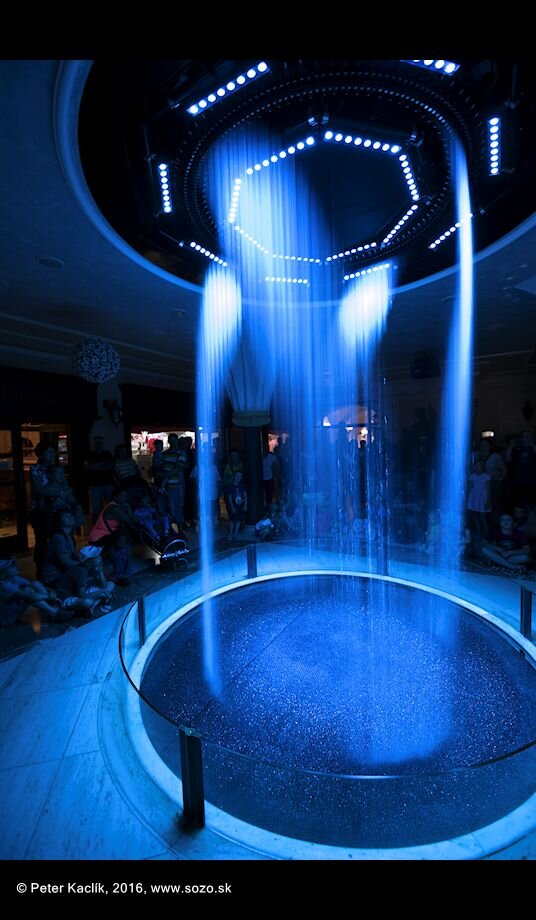
Svetlo je magické médium, plné farieb a tieňov. V rukách fotografa sa svetlo stáva farbou, tvarom a emóciou. Od jednoduchých prírodných scenérií po pulzujúce mestské nočné životy, svetlo prináša do fotografie nekonečné možnosti. Jedným zo spôsobov, ako fotografovať svetlo, je pracovať s kontrastom. Silné kontrasty medzi svetlom a tieňom vytvárajú dramatické scény a zdôrazňujú detaily. Príkladom môže byť fotografovanie osvetlených ulíc v noci alebo portrét so silným slnečným žiarením. Fotografovanie svitania a západu slnka môže tvoriť snímky s poetickým až melancholickým nádychom. Stmievajúce sa svetlo vytvára nádherné odtiene a jemné prechody, ktoré súeálne pre zachytenie krásy každodenných okamihov.

Príroda ponúka jedinečné svetelné príbehy. Ranná rosa na pavučinách, hra slnečných lúčov v hustom lese, alebo odlesky na hladine jazera. Fotografovanie prírodného svetla vyžaduje citlivý prístup k okolitému prostrediu a jeho jedinečným svetelným podmienkam. Experimentovanie s technikami dokáže vytvoriť abstraktné obrazy. Pri portrétnom fotografovaní sa svetlo stáva kľúčovým nástrojom na zdôraznenie rysov tváre a vyjadrenie nálady. Hra so svetlom, ako napríklad vytváranie tieňov, môže vytvoriť portréty s hlbokým emocionálnym posolstvom.


Light is a magical medium, brimming with colors and shadows. In the hands of a photographer, light transforms into color, form, and emotion. From simple natural landscapes to pulsating urban nightscapes, light brings endless possibilities to photography. One way to capture light is by working with contrast. Strong contrasts between light and shadow create dramatic scenes, emphasizing details. Examples include photographing illuminated city streets at night or capturing a portrait in intense sunlight. Photographing the dawn and dusk can produce images with a poetic and sometimes melancholic touch. The fading light creates beautiful shades and subtle transitions,eal for capturing the beauty of everyday moments.

Nature offers unique light stories – morning dew on spiderwebs, the play of sunbeams in a dense forest, or reflections on the surface of a lake. Photographing natural light requires a sensitive approach to the surrounding environment and its unique lighting conditions. Experimenting with techniques can create abstract images. In portrait photography, light becomes a key tool for highlighting facial features and expressing mood. Playing with light, such as creating shadows, can craft portraits with a profound emotional message. Light, in its various forms, invites photographers to explore and capture the essence of moments, whether in the serene landscapes of nature or the dynamic narratives of human faces.


TOP

Všetky