Hits: 4363
Lesy sú miestom, kde sa stretáva príroda v celej svojej rozmanitosti, kde sa striedajú ročné obdobia a prejavuje sa bohatstvo flóry a fauny. Les je miestom, kde sa cítite súčasťou prírody a kde nachádzate pokoj a oddych. Les je komplexný ekosystém, je to spoločenstvo rastlín, živočíchov, mikroorganizmov a iných organizmov, ktoré spolu tvoria vzájomne prepojený ekosystém. Lesy majú veľký význam nielen z environmentálneho hľadiska, ale aj z hľadiska ľudskej kultúry a hospodárstva. Stromy okrem iného poskytujú potravu a úkryt pre mnohé živočíchy a tiež regulujú mikroklimatické podmienky v lese. Rastliny samozrejme produkujú organickú hmotu a kyslík vďaka fotosyntéze.
Les je domovom mnohých živočíchov, vrátane cicavcov, vtákov, plazov, obojživelníkov, hmyzu a iných bezstavovcov. Tieto živočíchy sa prispôsobili rôznym aspektom lesného prostredia a zohrávajú dôležitú úlohu v ekosystéme lesa. Niektoré z nich sú dôležité pre rozklad organického materiálu a recykláciu živín, iné zase slúžia ako potrava pre vyššie vrstvy potravného reťazca. Lesy majú aj hospodársky význam. Poskytujú drevnú hmotu, ktorá sa používa na výrobu nábytku, stavebného materiálu a palivového dreva. Lesy sú dôležitým rekreačným a kultúrnym priestorom pre ľudí, kde sa môžu relaxovať, cvičiť šport, turistika a spoznávať prírodu. Lesy sú však dôležité pre zachovanie biodiverzity, udržiavanie kvality pôdy a vody a reguláciu klímy. Je dôležité si uvedomiť, že lesy sú zraniteľným ekosystémom, ktorý je ohrozený rôznymi ľudskými aktivitami, ako sú nadmerná ťažba dreva, odlesňovanie, poľnohospodárska expanzia a znečisťovanie ovzdušia a pôdy. Preto je dôležité chrániť a udržiavať lesné ekosystémy pre budúce generácie.
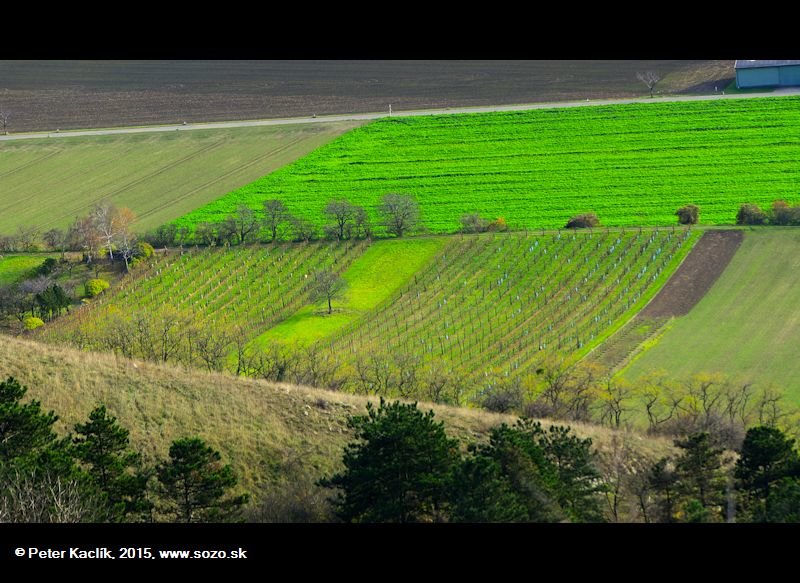
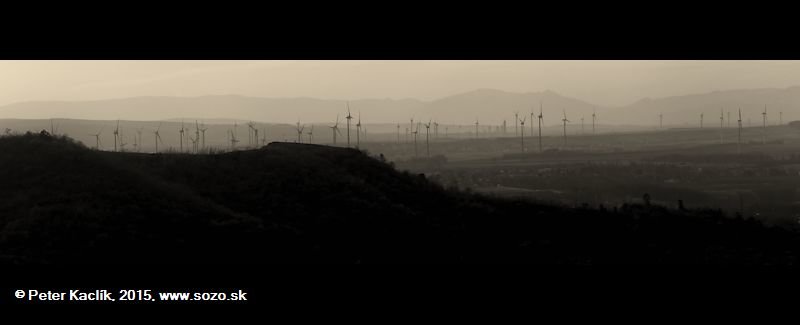
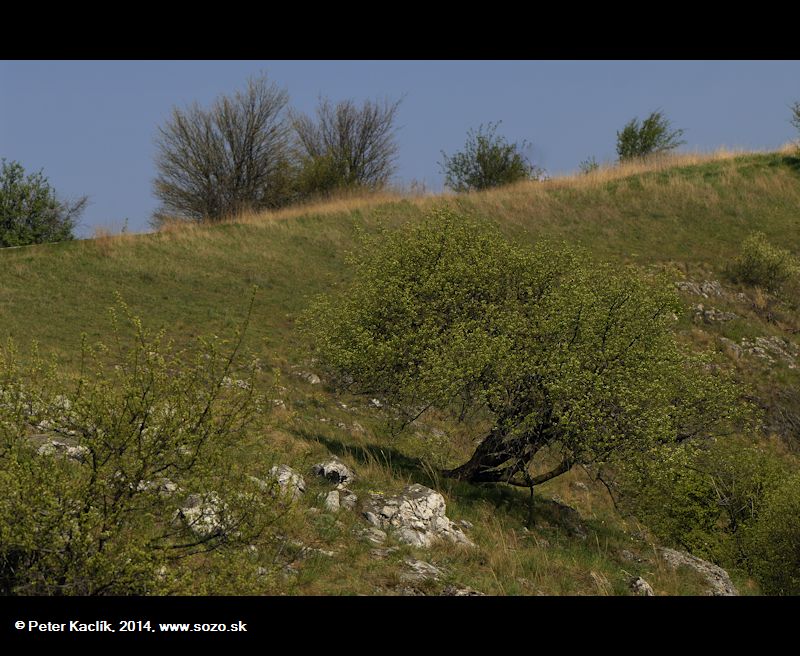
Fotografie lesa môžu zachytiť túto atmosféru a preniesť ju divákom. Každá fotografia lesa je jedinečná, pretože každý les má svoje vlastné čaro a jedinečné rysy. Pri fotografovaní lesa je dôležité hrať si s osvetlením a zornými uhlami, aby ste zachytili rôzne aspekty jeho krásy. Ranné svetlo môže vytvoriť nádherné farebné odtiene a zvláštne kontrasty, zatiaľ čo západy slnka môžu stvárniť les v romantickom až tajomnom svetle. Fotografie lesa môžu byť nielen krásne, ale aj silné a emocionálne. Môžu vzbudiť pocit úcty k prírode. Jedným zo spôsobov, ako zachytiť krásu lesa, je fotografovanie detailov. Môžete zamerať svoj objektív na textúru kôry stromov, farebné lístie alebo kvitnúce rastliny na lesoch. Tieto detailné zábery môžu priniesť divákovi hlbší pohľad do vnútra lesa a jeho života. Ďalším spôsobom, ako zachytiť krásu lesa, je fotografovanie jeho širokej panorámy. Môžete sa pokúsiť zachytiť celú rozlohu lesa a jeho okolité krajiny. Tieto panoramatické zábery môžu priniesť pocit hĺbky a rozsahu lesa a umožniť divákom cítiť sa, akoby boli súčasťou tohto úžasného prostredia.
Forests are places where nature meets in all its diversity, where seasons change, and the richness of flora and fauna is displayed. The forest is where you feel part of nature and find peace and relaxation. Forests are complex ecosystems, communities of plants, animals, microorganisms, and other organisms that together form an interconnected ecosystem. Forests are of great importance not only from an environmental perspective but also from a cultural and economic perspective.
Trees, among other things, provide food and shelter for many animals and also regulate microclimatic conditions in the forest. Plants, of course, produce organic matter and oxygen through photosynthesis. Forests are home to many animals, including mammals, birds, reptiles, amphibians, insects, and other invertebrates. These animals have adapted to various aspects of the forest environment and play an important role in the forest ecosystem. Some of them are important for decomposing organic matter and recycling nutrients, while others serve as food for higher levels of the food chain.
Forests also have economic significance. They provide timber used in furniture production, construction materials, and firewood. Forests are an important recreational and cultural space for people, where they can relax, engage in sports, hiking, and explore nature. However, forests are important for preserving biodiversity, maintaining soil and water quality, and regulating the climate.
It is important to realize that forests are vulnerable ecosystems threatened by various human activities such as excessive logging, deforestation, agricultural expansion, and air and soil pollution. Therefore, it is important to protect and maintain forest ecosystems for future generations.
Forest photography can capture this atmosphere and convey it to viewers. Each forest photograph is unique because each forest has its own charm and unique features. When photographing a forest, it is important to play with lighting and angles to capture different aspects of its beauty. Morning light can create beautiful color shades and peculiar contrasts, while sunsets can depict the forest in romantic or mysterious light. Forest photographs can be not only beautiful but also powerful and emotional. They can evoke a sense of reverence for nature.
One way to capture the beauty of the forest is to photograph details. You can focus your lens on the texture of tree bark, colorful leaves, or blooming plants in the forest. These detailed shots can provide viewers with a deeper look into the interior of the forest and its life. Another way to capture the beauty of the forest is to photograph its wide panorama. You can try to capture the entire expanse of the forest and its surrounding landscapes. These panoramic shots can bring a sense of depth and scope to the forest and allow viewers to feel like they are part of this amazing environment.