Liptov, Fotografie, Kostoly, Krajina, Objekty, predmety a priestory, Slovensko, Stavby, Umenie

Kostol zo stredoveku v Ludrovej

Hits: 4092

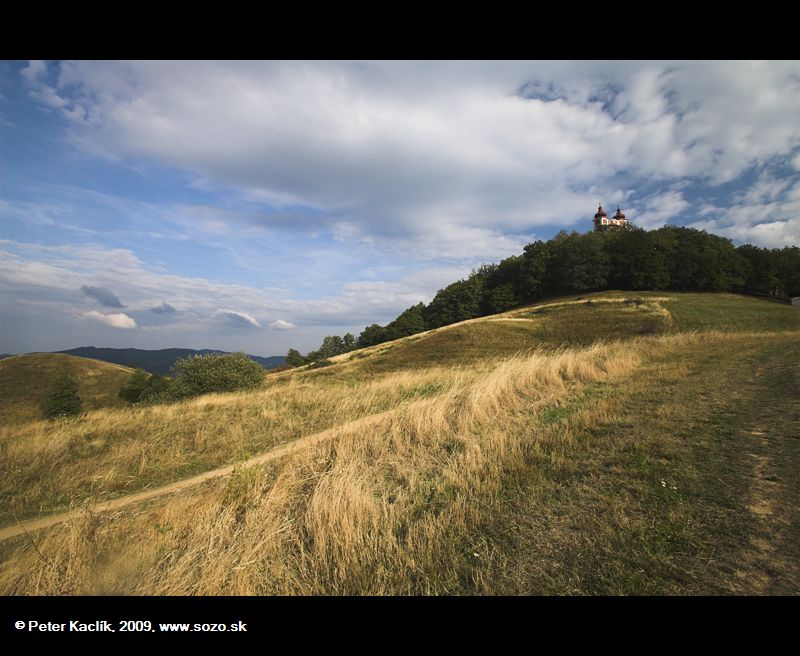
Kostolík stojí v poli asi kilometer od Ružomberka mimo samotnej obce Ludrová, neďaleko obce Štiavnička. Kostolík bol postavený v tretej tretine 13. storočia (apsida.sk). Dá sa uvažovať, že mohol byť vystavený na mieste staršieho kostola (Kahoun, 2002). V prvej polovici 15. storočia bol jeho interiér aj exteriér kostolíka vyzdobený nástennými maľbami. V roku 1447 bol obsadený bratríkmi. Celé 16. storočie i začiatok 17. storočia bol v rukách katolíkov. Protestanti ho prevzali až v júni 1617 a udržali si ho do roku 1679. Katolíkom sa vrátil v roku 1709. V roku 1826 bol postavený nový kostol v obci Villa Ludrová a kostolík na Kúte začal postupne chátrať. V roku 1843 však bol opätovne vysvätený vďaka úsiliu Mórica Rakovského z Liptovskej Štiavnice. Sväté omše sa tu potom slúžili až do roku 1953. Od roku 1954 je majetkom štátu, v správe Liptovského múzea v Ružomberku. V rokoch 1958 – 1966 bol obnovený, v 70-tych rokoch bol sprístupnený verejnosti (apsida.sk). Na stenách je 34 obrazov znázorňujúcich život Ježiša Krista. Zakrivenie stien je zámerné – aby mal kostol dobrú akustiku (Jaloviarová). Traduje sa, že na vstupnom portáli je množstvo rýh od mečov šľachticov, ktorí takto vzdávali úctu pánovi domu, v tomto prípade Bohu. Najväčšiu vraj urobil poľský kráľ Ján Sobieski (apsida.sk).

V kostolíku je podľa ďalšej legendy pochovaný majster templárskeho rádu Johann Gottfried von Herberstein. Výskum však nepotvrdil prítomnosť templárov v tejto oblasti. Pri kostolíku a v ňom sa nakrúcali viaceré filmy, napríklad Tisícročná včela či Legenda o lietajúcom Cypriánovi. V súčasnosti sú vonkajšie fasády sú v dosť zlom stave. V roku 2011 získalo múzeum dotáciu na reštaurovanie fresiek, v roku 2012 bola čiastočne vymenená strešná krytina. Využíva sa aj na príležitostné sobáše a rôzne kultúrne podujatia (apsida.sk).


The small church stands in the field about a kilometer from Ružomberok, outside the village of Ludrová, near Štiavnička. The church was built in the third third of the 13th century (apsida.sk). It is conceivable that it could have been erected on the site of an older church (Kahoun, 2002). In the first half of the 15th century, both the interior and exterior of the church were adorned with frescoes. In 1447, it was occupied by the Brethren. Throughout the 16th century and the beginning of the 17th century, it remained in the hands of Catholics. Protestants took control only in June 1617 and held it until 1679. It returned to Catholics in 1709. In 1826, a new church was built in the village of Villa Ludrová, and the little church on Kút gradually fell into disrepair. However, in 1843, it was consecrated again, thanks to the efforts of Móric Rakovský from Liptovská Štiavnica. Holy masses were served here until 1953. Since 1954, it has been state property, under the administration of the Liptov Museum in Ružomberok. It underwent restoration between 1958 and 1966 and was opened to the public in the 1970s (apsida.sk). There are 34 paintings on the walls depicting the life of Jesus Christ. The curvature of the walls is intentional, designed to provide good acoustics in the church (Jaloviarová). According to tradition, the entrance portal bears many sword marks from the homage paid by nobles to the lord of the manor, in this case, God. The largest mark is said to have been made by Polish King John Sobieski (apsida.sk).

According to another legend, the master of the Templar order, Johann Gottfried von Herberstein, is buried in the church. However, research has not confirmed the presence of Templars in this area. Several films, such as „The Millennial Bee“ and „The Legend of Flying Cyprian,“ were filmed around the church. Currently, the external facades are in quite poor condition. In 2011, the museum received a grant for the restoration of frescoes, and in 2012, the roofing was partially replaced. The church is also used for occasional weddings and various cultural events (apsida.sk).


Odkazy

Liptov, Fotografie, Hrady, Krajina, Objekty, predmety a priestory, Slovensko, Stavby, Umenie

Likavský hrad

Hits: 4038

Je najväčším hradom Liptova (liptov.sk). Podľa niektorých ho postavili templárski rytieri, iní za jeho budovateľa pokladajú majstra Tomáša Csókaköiho (kamennydom.sk). Prvá písomná zmienka je z roku 1315, vtedy bol jeho majiteľom župan Donč (wikipedia.sk). Pánom na hrade v roku 1397 bol moravský margróf Prokop, ale o dva roky neskôr ho vyhnal kráľ Žigmund, ktorý hrad dal uhorskému palatínovi Mikulášovi a Jánovi Garovi, ktorý ju mali do roku 1418. V septembri 1431 husiti Likavu vypálili. Po ich odchode v roku 1434 bola Likava majetkom Jána Hunyadyho. Neskôr Peter Komorowský. kráľ Matej I., Ján Korvín, Zápoľskí. V rokoch 1569 – 1580 chorvátsky veľmož Ján Krušič. Od roku 1580 Illésházovci. Od polovice 17. storočia Thököly. V roku 1707 dal František Rákoczi zrúcať (likavka.sk). Hrad strážil cestu z Považia na Oravu (wikipedia.sk). Inšpirovaný touto povesťou zložil báseň o Likavskom hrade a Jánošíkovi aj slovenský národovec a básnik Samo Chalupka (wordpress.com).


It is the largest castle in Liptov (liptov.sk). According to some, it was built by Templar knights, while others consider Master Tomáš Csókaköi as its builder (kamennydom.sk). The first written mention is from 1315 when it was owned by the county chief Donč (wikipedia.sk). In 1397, Moravian margrave Prokop was the lord of the castle, but two years later, King Sigismund expelled him. The king then gave the castle to the Hungarian palatines Nicholas and John Garai, who held it until 1418. In September 1431, the castle was set on fire by the Hussites. After their departure in 1434, Likava became the property of Ján Hunyady, and later of Peter Komorowski, King Matthias I, Ján Korvín, and the Zápoľski family. From 1569 to 1580, it belonged to the Croatian magnate Ján Krušič. From 1580, it was owned by the Illésház family. From the mid-17th century, it was associated with the Thököly family. In 1707, it was demolished by Francis II Rákóczi (likavka.sk). The castle guarded the route from Považie to Orava (wikipedia.sk). Inspired by this legend, the Slovak nationalist and poet Samo Chalupka composed a poem about Likava Castle and Jánošík (wordpress.com).


Odkazy

Hont, Fotografie, Kostoly, Krajina, Objekty, predmety a priestory, Slovensko, Stavby, Umenie

Kalvária v Banskej Štiavnici

Hits: 3497

Banskoštiavnická Kalvária je najimpozantnejšou barokovou kalváriou v strednej Európe. Jednou z najstarších kalvárií na Slovensku. Od roku 1993 je súčasťou územia, ktoré spolu s historickým mestom Banská Štiavnica boli zaradené na Zoznam svetového kultúrneho a prírodného dedičstva UNESCO. Od júna 2007 je na zozname 100 najohrozenejších pamiatok sveta. Kaplnky a kostoly Kalvárie: Ježiš sa lúči so svojou Matkou, Diabol pokúša Ježiša, Ježiš umýva apoštolom nohy, Kaplnka Božského Srdca, Posledná večera, Bolestné srdce Panny Márie, Ježiš na hore Olivovej, Kaplnka svätých schodov, Judášova zrada, Odsúdenie Ježiša, Ježiš pred Herodesom, Ježiša bičujú, Kaplnka Ecce Homo, Ježiš berie svoj kríž, Ježiša pribíjajú na kríž, Horný kostol – Kristus na kríži, Boží hrob, Obrezanie Pána, Útek do Egypta, Dvanásťročný Ježiš v chráme, Ježiš sa stretá so svojou Matkou, Panna Mária pod krížom, Ježišovo telo v lone Matky, Ježiša pochovávajú (kalvaria.org). Predpokladá sa, že tvorcom architektonického návrhu bol Samuel Mikovíny (nomad.sk).

Kalvária sa nachádza severovýchodne od centra mesta. Z informačnej tabule som sa dočítal, že kalvária predstavuje barokovú sakrálnu architektúru, sochárstvo, výtvarné umenie a umelecké remeslá. Iniciátorom vybudovania bol páter František Perger v 18. storočí z miestnej komunity Spoločnosti Ježišovej, ktorý na kopci Scharffenberg (Ostrý vrch) vybudoval Krížovú cestu. Základný kameň položili 14.9.1744. Komplex tvorí 17 kaplniek, tri kostoly, Žalár, a Boží hrob (Informačná tabuľa). Kalvária je osobitá aj svojou liturgickou koncepciou. Nekopíruje tradičný model 14-ich zastavení krížovej cesty, ale kombinuje výjavy zo života Ježiša a Panny Márie. Hore svahom obráteným k mestu plynulo stúpa symetricky rozložená zostava hlavných objektov. Kaplnky sú vzájomne pospájané serpentínami chodníčkov. V nich sú drevené reliéfy, interiéry kostolov sú dekorované nástennými maľbami, ktorá sa pripisuje rakúskemu maliarovi Antonovi Schmidtovi (Bujnová et all, 2003).

Časť výtvarnej výzdoby a mobiliáru jednej z najvzácnejších barokových pamiatok na Slovensku bola vykradnutá, časť sa stala terčom vandalov. Miestni aktivisti sa zaslúžili o to, že Kalvária je zapísaná v zozname 100 najohrozenejších pamiatok sveta (Informačná tabuľa). Kalvária bola obnovená na prelome 70-tych a 80-tych rokov 20. storočia (Bujnová et all, 2003). Štiavnická kalvária vznikla tak, že páter František Perger z jezuitského kláštora v Banskej Štiavnici chcel od bohatého ťažiara Leopolda Ondreja Fritza z Friedenliebu kúpiť Scharffenberg. Pánovi Fritzovi bolo čudné, načo chce takú ničotu. Kriaky a bodľačie. Páter až na tretie naliehanie naveľa prezradil svoj úmysel vybudovať na vrchu Kalváriu. Fritz sa rozhodol, že na takýto účel Scharffenberg nepredá, ale daruje, „kým bude slúžiť na úctu k Bohu“ (podľa Hidvéghy).


Banská Štiavnica Calvary is the most imposing Baroque calvary in Central Europe, also one of the oldest calvaries in Slovakia. Since 1993, it has been part of the territory along with the historic town of Banská Štiavnica, inscribed on the UNESCO World Cultural and Natural Heritage List. Since June 2007, it has been listed among the 100 most endangered monuments in the world. Chapels and churches of the Calvary include: Jesus Bids Farewell to His Mother, Devil Tempts Jesus, Jesus Washes the Apostles‘ Feet, Chapel of the Divine Heart, Last Supper, Sorrowful Heart of Virgin Mary, Jesus on the Mount of Olives, Chapel of the Holy Stairs, Judas‘ Betrayal, Condemnation of Jesus, Jesus Before Herod, Flagellation of Jesus, Chapel of Ecce Homo, Jesus Takes Up His Cross, Jesus Nailed to the Cross, Upper Church – Christ on the Cross, Holy Sepulcher, Circumcision of the Lord, Flight into Egypt, Twelve-Year-Old Jesus in the Temple, Jesus Meets His Mother, Virgin Mary Beneath the Cross, Jesus‘ Body in His Mother’s Lap, Burial of Jesus (kalvaria.org). It is presumed that Samuel Mikovínyi was the architect behind the design (nomad.sk).

The Calvary is located northeast of the city center. According to an information board, the calvary represents Baroque sacral architecture, sculpture, visual arts, and crafts. The initiative for its construction came from Father František Perger in the 18th century, a member of the local community of the Society of Jesus, who built the Stations of the Cross on Scharffenberg Hill. The foundation stone was laid on September 14, 1744. The complex consists of 17 chapels, three churches, the Lamentation, and the Holy Sepulcher (Information Board). The calvary is unique in its liturgical conception, not copying the traditional model of the 14 Stations of the Cross but combining scenes from the lives of Jesus and the Virgin Mary. The main objects are symmetrically arranged on a slope facing the city. The chapels are connected by winding paths with wooden reliefs, and the interiors of the churches are decorated with wall paintings attributed to the Austrian painter Anton Schmidt (Bujnová et al., 2003).

Part of the artistic decoration and furniture of one of the most valuable Baroque monuments in Slovakia was stolen, and some became the target of vandals. Local activists played a crucial role in including Calvary in the list of the 100 most endangered monuments in the world (Information Board). The Calvary was restored in the late 1970s and early 1980s (Bujnová et al., 2003). The Štiavnica Calvary came into being when Father František Perger from the Jesuit monastery in Banská Štiavnica wanted to buy Scharffenberg from the wealthy miner Leopold Andrej Fritz of Friedenlieb. Fritz found it odd that someone would want such a worthless place with thorns and prickles. Only after persistent insistence did Father reveal his intention to build a Calvary on the top. Fritz decided not to sell Scharffenberg for such a purpose but to donate it, „as long as it serves for the honor of God“ (according to Hidvéghy).


Odkazy