Fotografie, Hory, Krajina, Polia, TOP, Typ krajiny

Línie

Hits: 2594

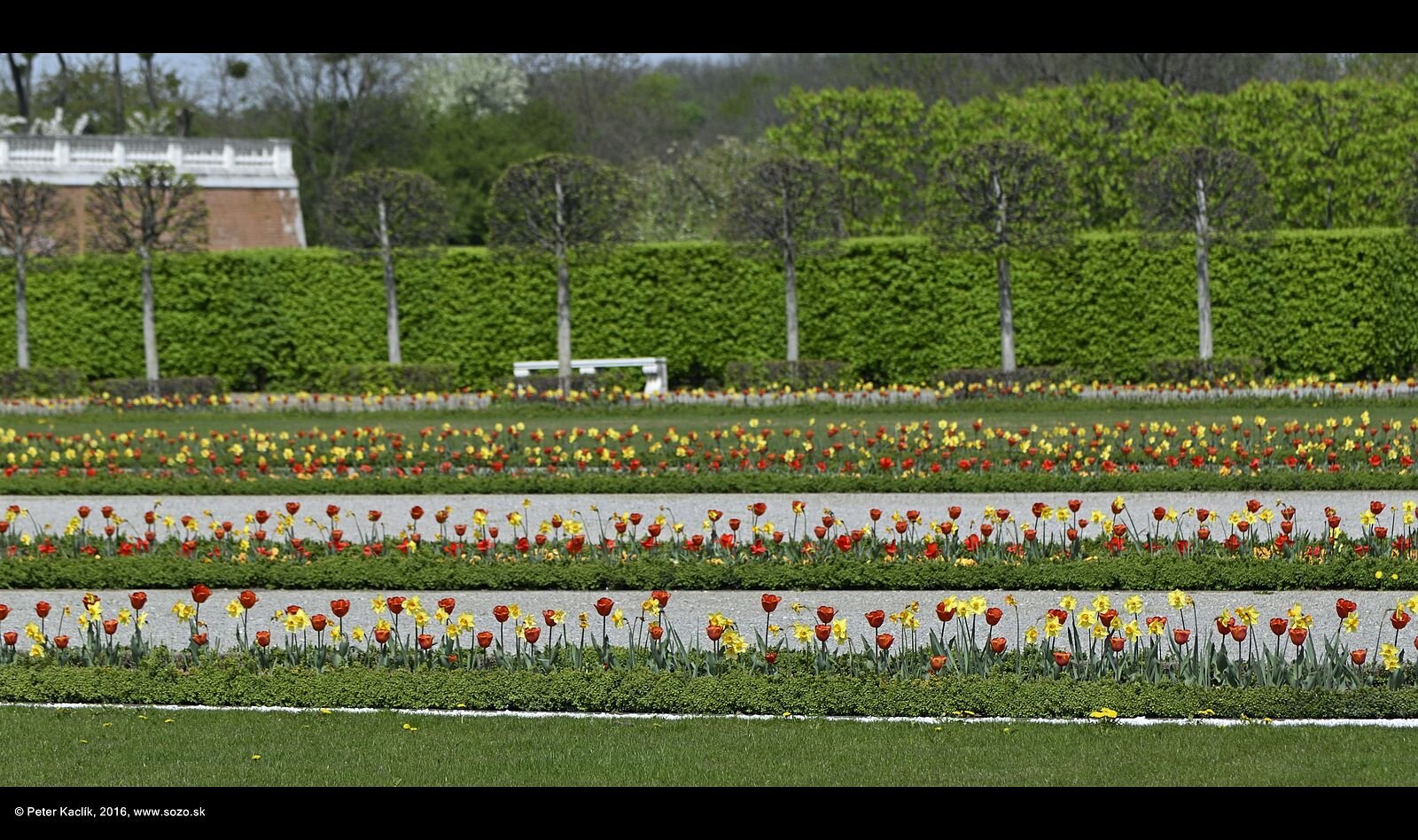
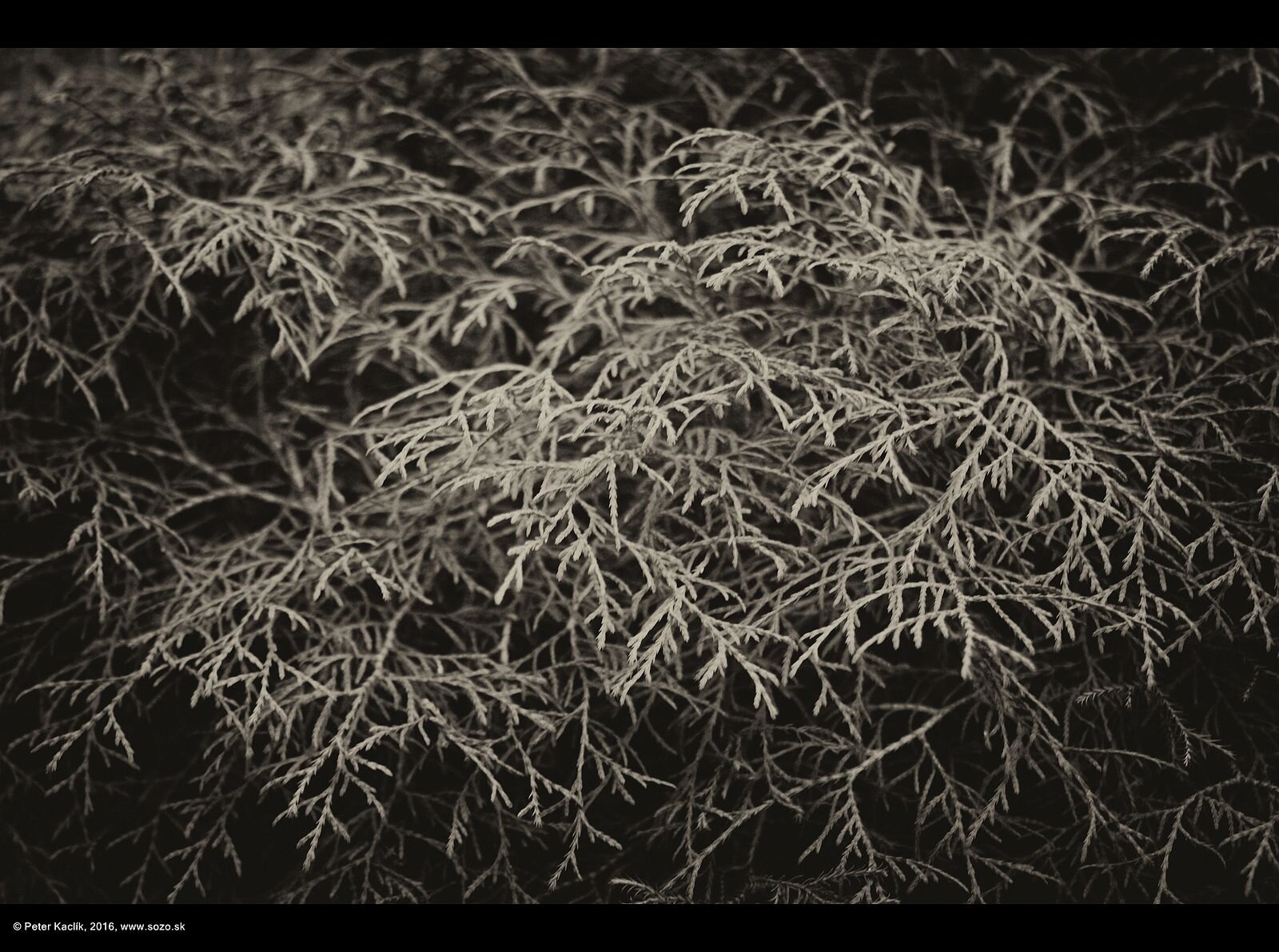
Línie patria ku najzákladnejším stavebným prvkov vizuálneho sveta. Predchádza tvaru, ploche aj objemu. Je stopou pohybu, hranicou, smerom, napätím. Vzniká ako dôsledok ľudskej činnosti, technického riešenia, ale aj geologického zlomu alebo dlhodobého pôsobenia času. Nakladám s týmto elementom ako s nositeľom významu. Zachytené línie nie sú samoúčelné – sú záznamom poriadku, ktorý si človek vnáša do priestoru, aj chaosu, ktorý sa tomuto poriadku neustále vzpiera. V obrazoch sa stretáva geometrická prísnosť technických štruktúr s organickou nepravidelnosťou prostredia. Priamy smer sa láme, opakuje, mizne. Paralely sa rozchádzajú, rytmus sa mení. Línia tu nie je len vizuálnym vodítkom pre oko diváka, ale aj prostriedkom orientácie v priestore a čase – naznačuje pohyb, tok energie, hierarchiu, ale aj hranice, ktoré nie sú vždy zjavné.

Cyklus cielene redukuje farebnosť a kontext. Neponúka príbeh v klasickom zmysle slova, ale sériu vizuálnych situácií, v ktorých sa divák môže sústrediť na vzťahy: medzi smermi, medzi plochami, medzi svetlom a tieňom. Línia sa tak stáva jazykom – jednoduchým, ale mnohovrstevným. Línie sú o spôsobe, akým ich vnímame. O tom, ako sa náš zrak prirodzene upína na poriadok, symetriu a opakovanie. Predstavujú vizuálne reflexiu priestoru, v ktorom sa každodennosť mení na znak a detail na výpoveď.


Lines belong to the most fundamental building elements of the visual world. They precede form, surface, and volume. A line is a trace of movement, a boundary, a direction, a source of tension. It emerges as a consequence of human activity and technical solutions, but also as a result of geological fractures or the long-term action of time. I work with this element as a carrier of meaning. The captured lines are not self-purposeful; they are records of the order that humans introduce into space, as well as of the chaos that constantly resists this order. Within the images, the geometric strictness of technical structures confronts the organic irregularity of the environment. A straight direction bends, repeats itself, disappears. Parallels diverge, rhythm changes. Here, the line is not merely a visual guide for the viewer’s eye, but also a means of orientation in space and time. It suggests movement, the flow of energy, hierarchy, and boundaries that are not always immediately visible.

The cycle deliberately reduces color and context. It does not offer a narrative in theical sense, but rather a series of visual situations in which the viewer can focus on relationships: between directions, between surfaces, between light and shadow. The line thus becomes a language—simple in form, yet multilayered in meaning. Lines are about the way we perceive. About how our vision naturally gravitates toward order, symmetry, and repetition. They represent a visual reflection of space in which everyday reality transforms into a sign, and detail into a statement.


Fotografie, Organizmy, Príroda, Rastliny, Stromy

Dreviny

Hits: 18703

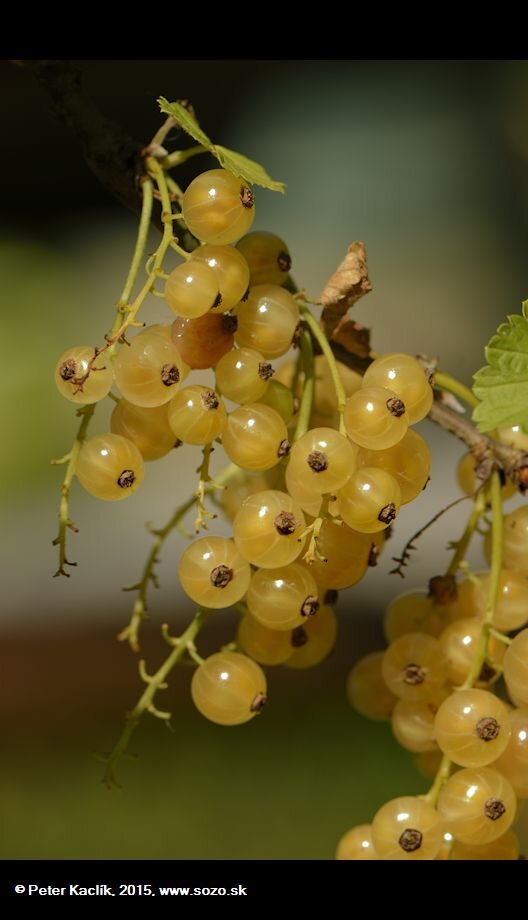
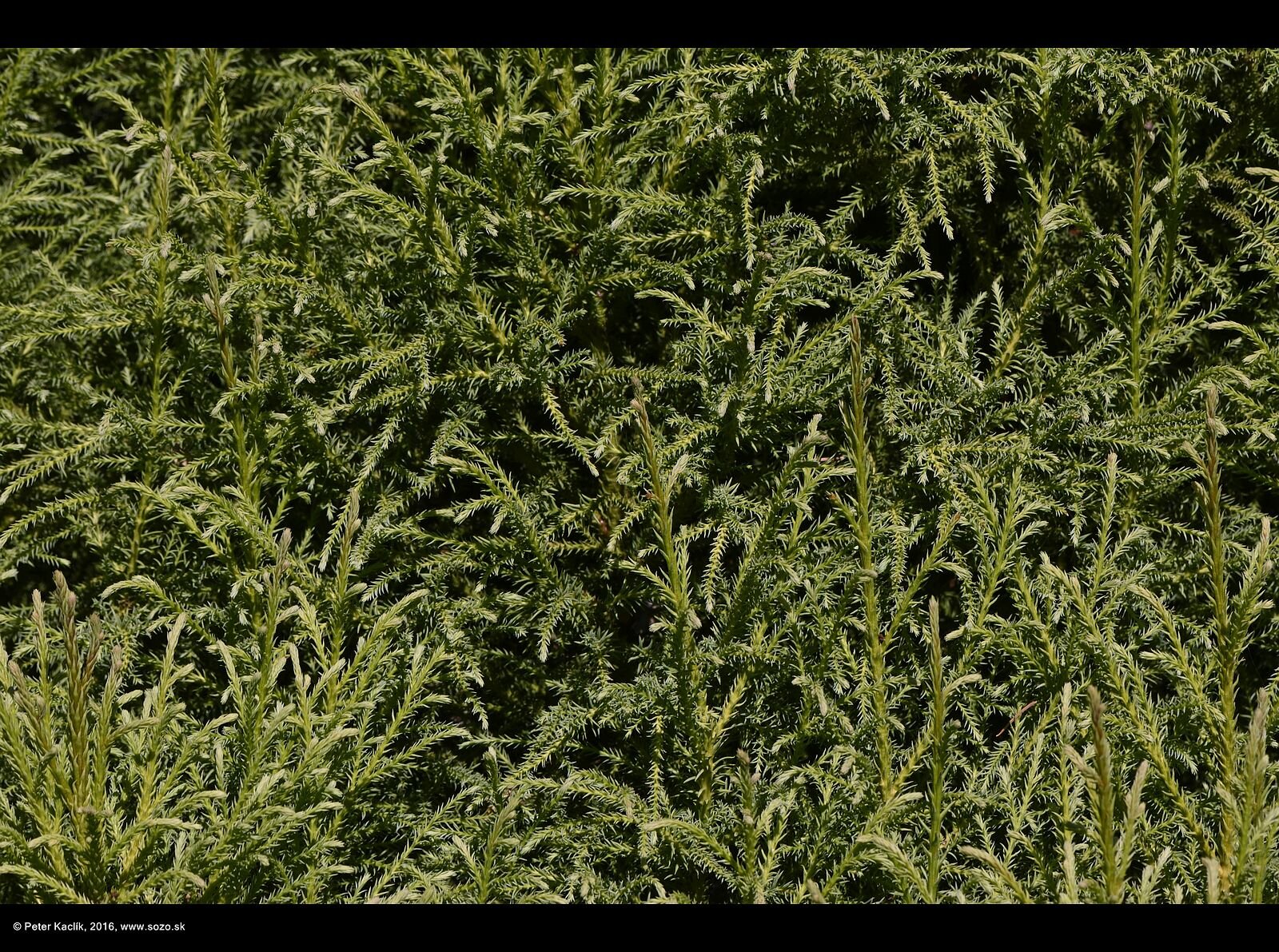
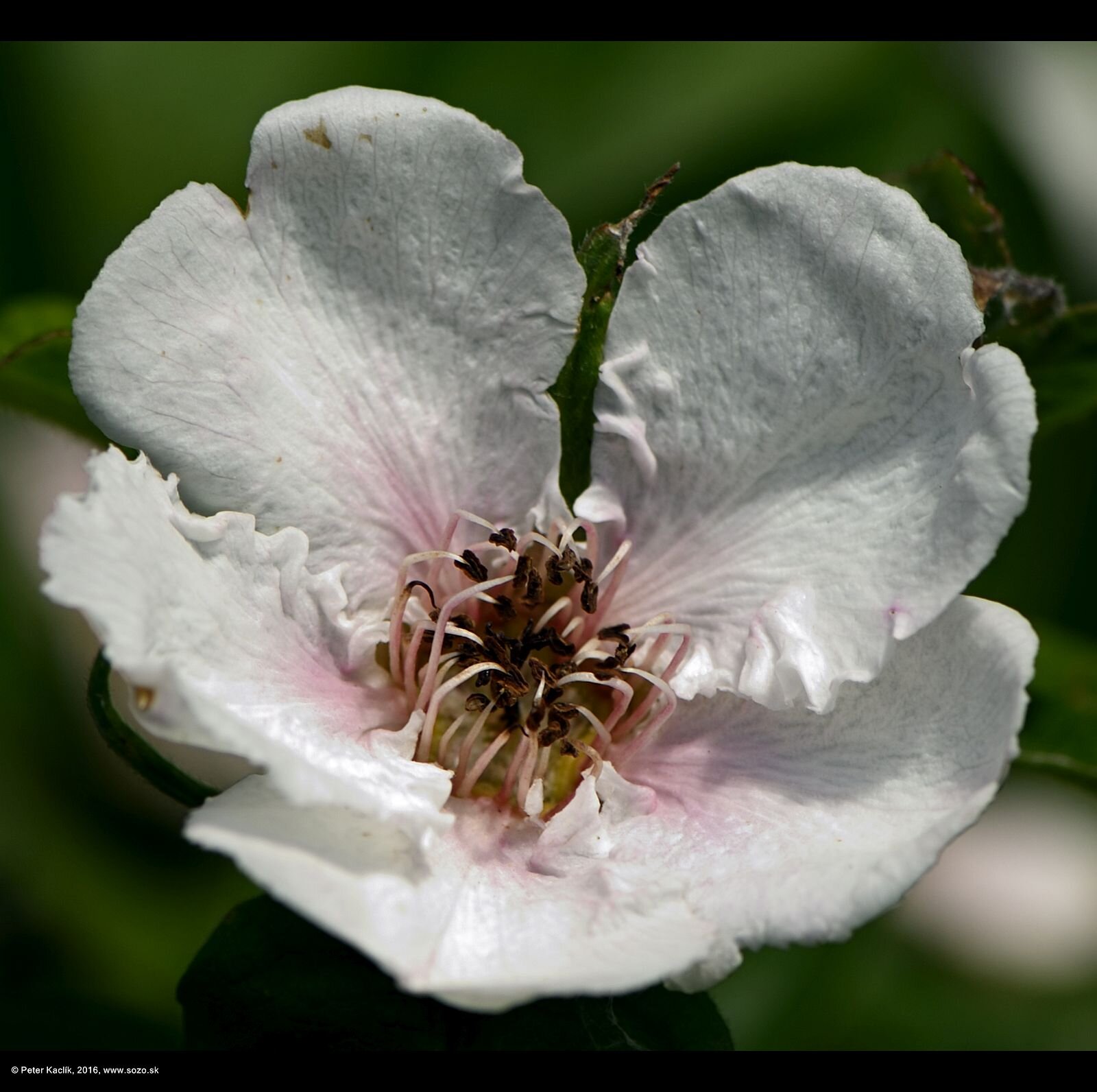
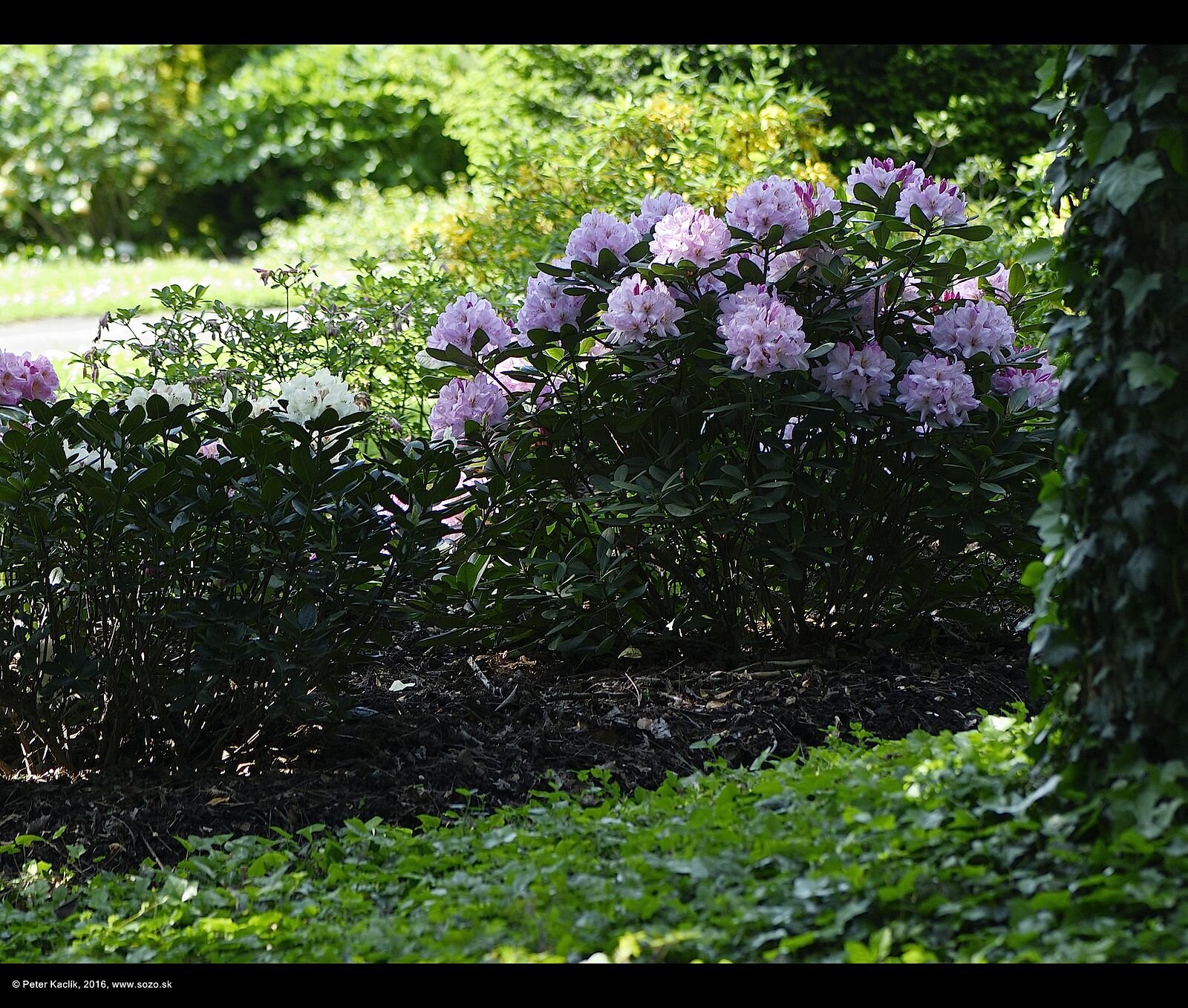
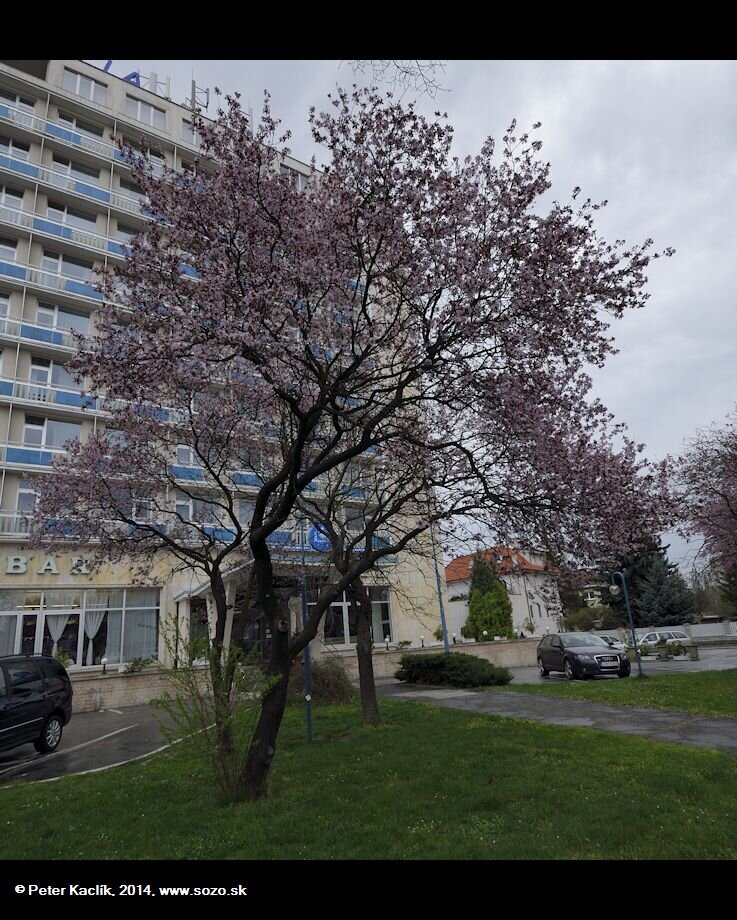
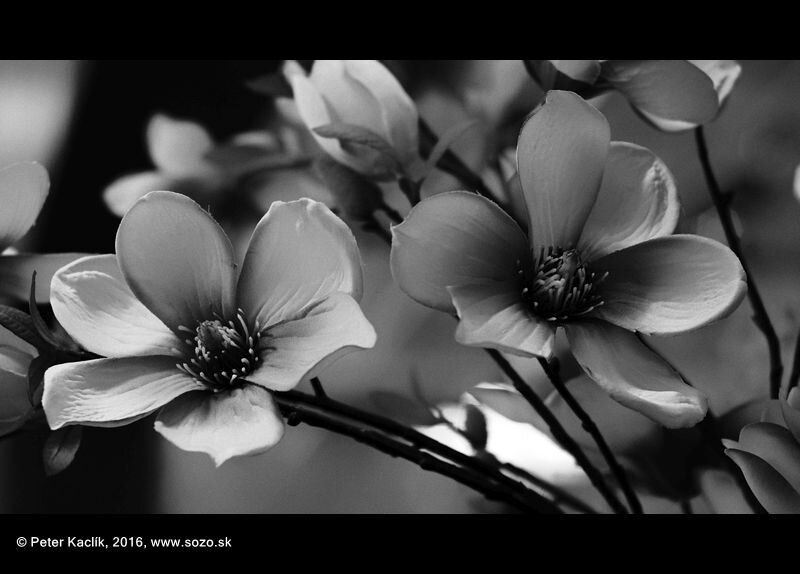
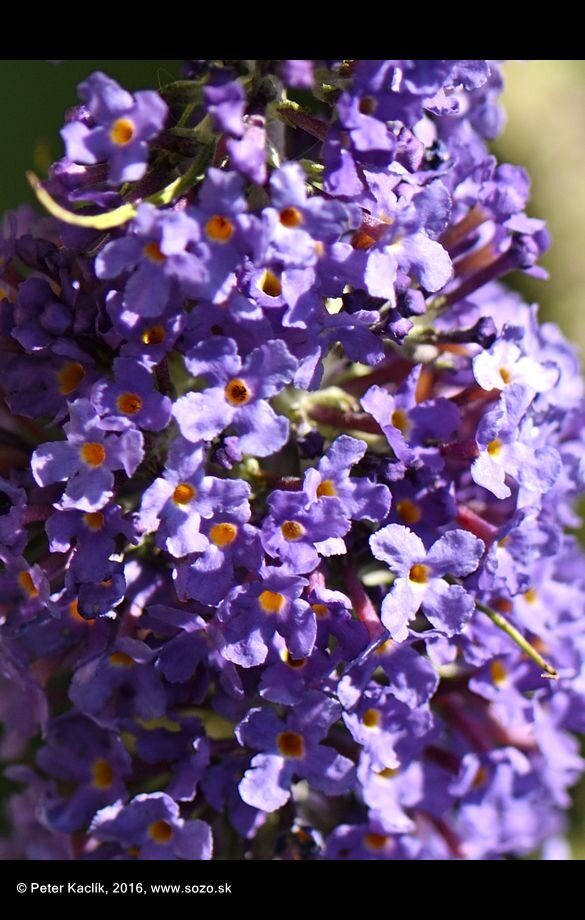
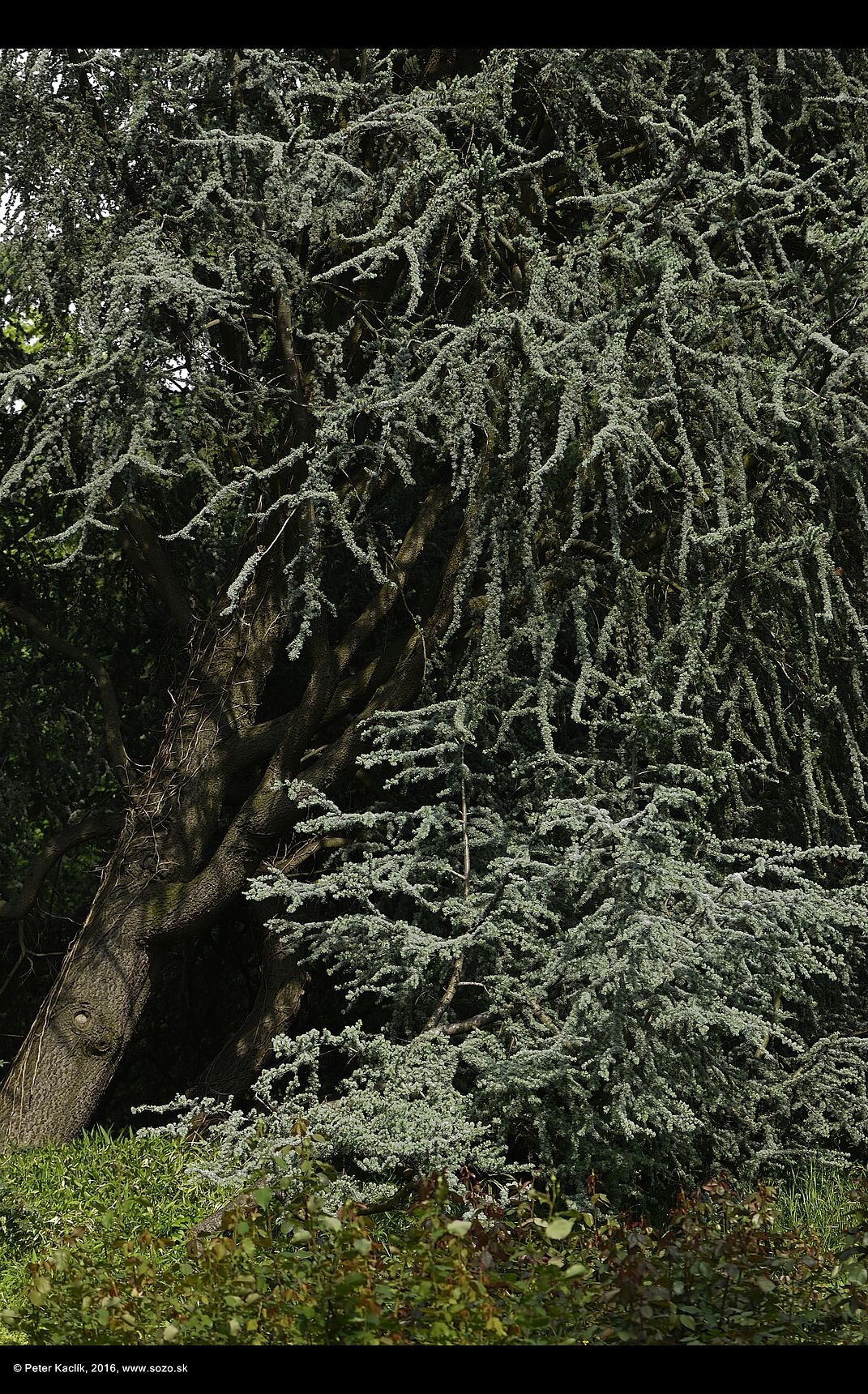
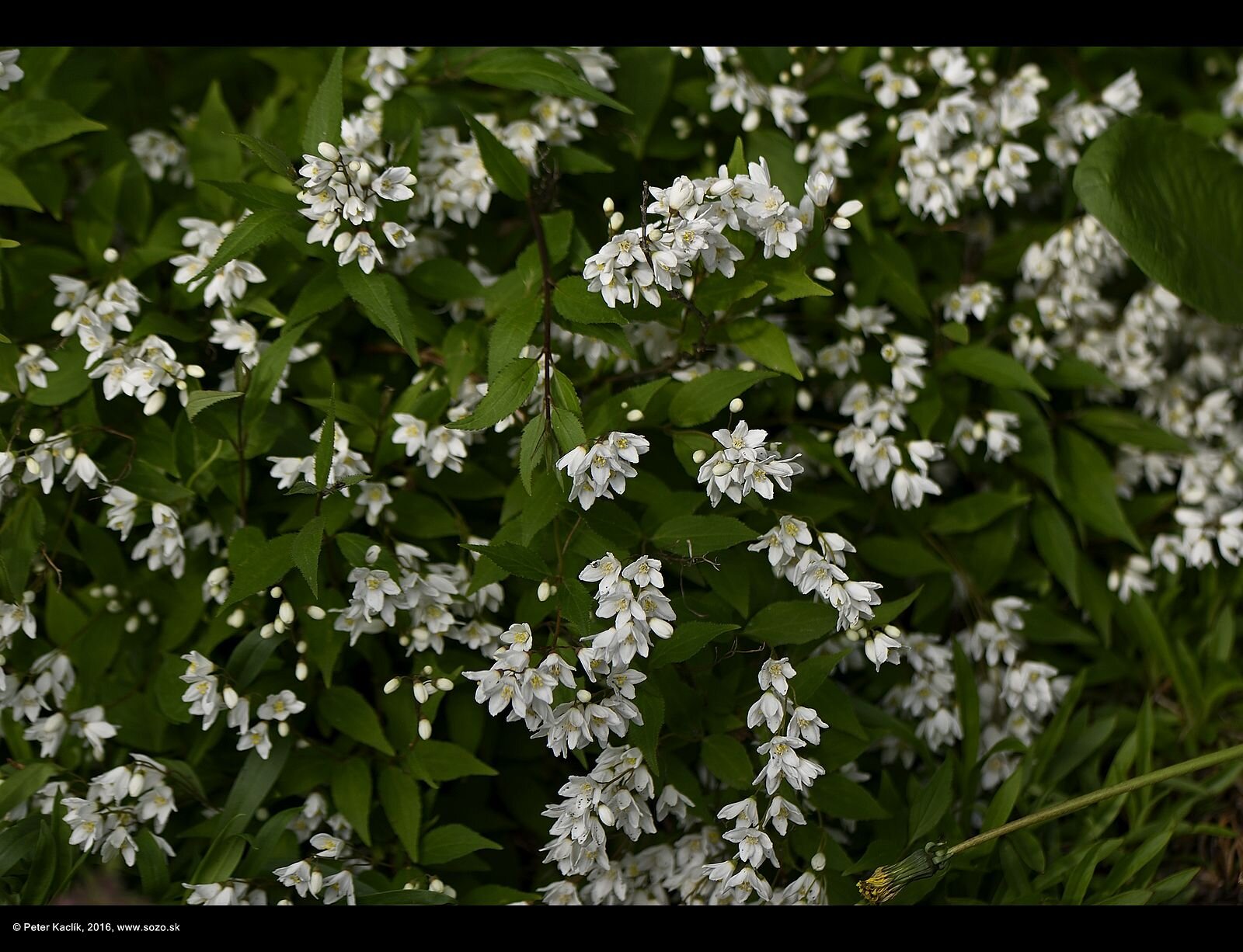
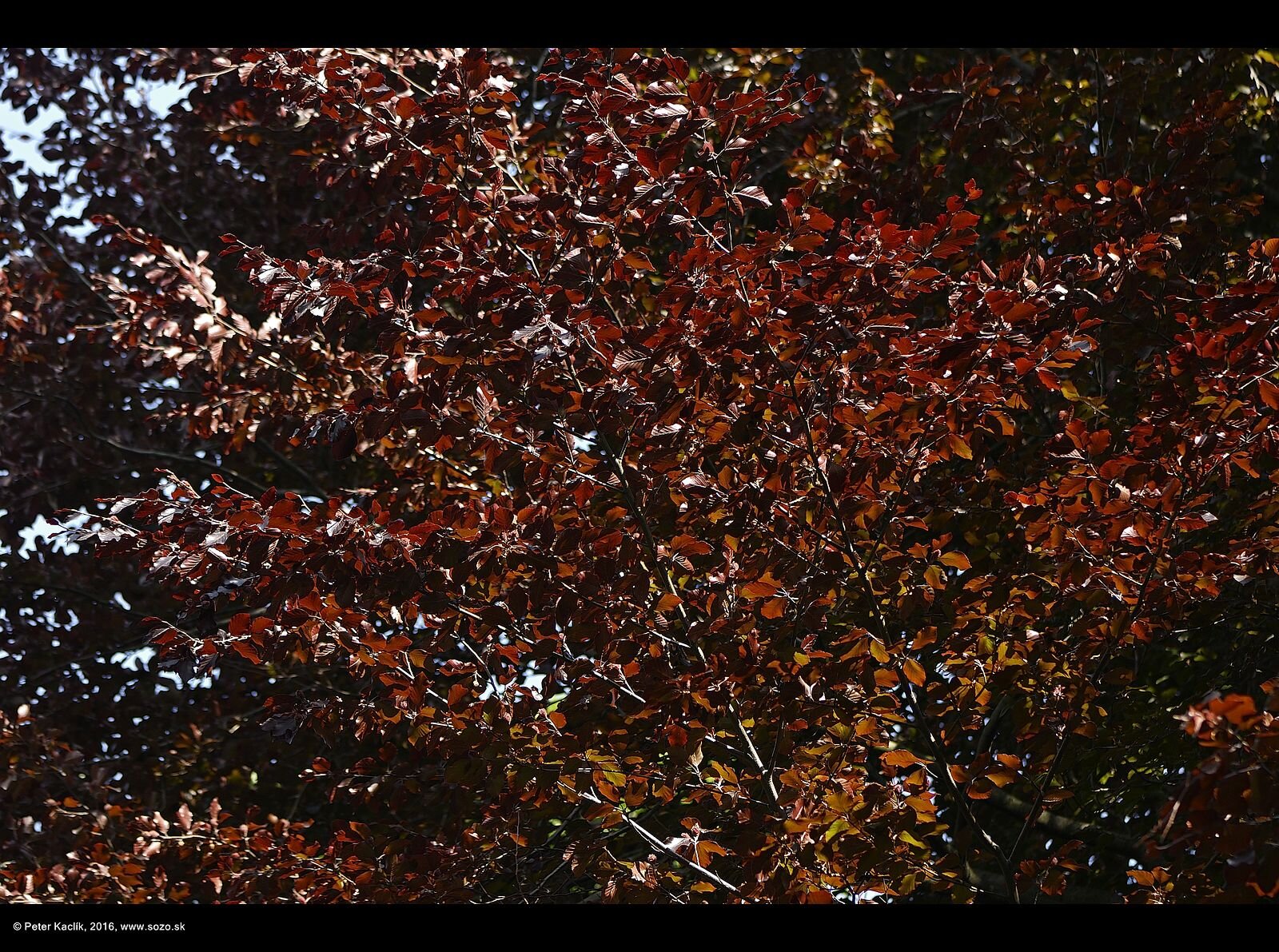
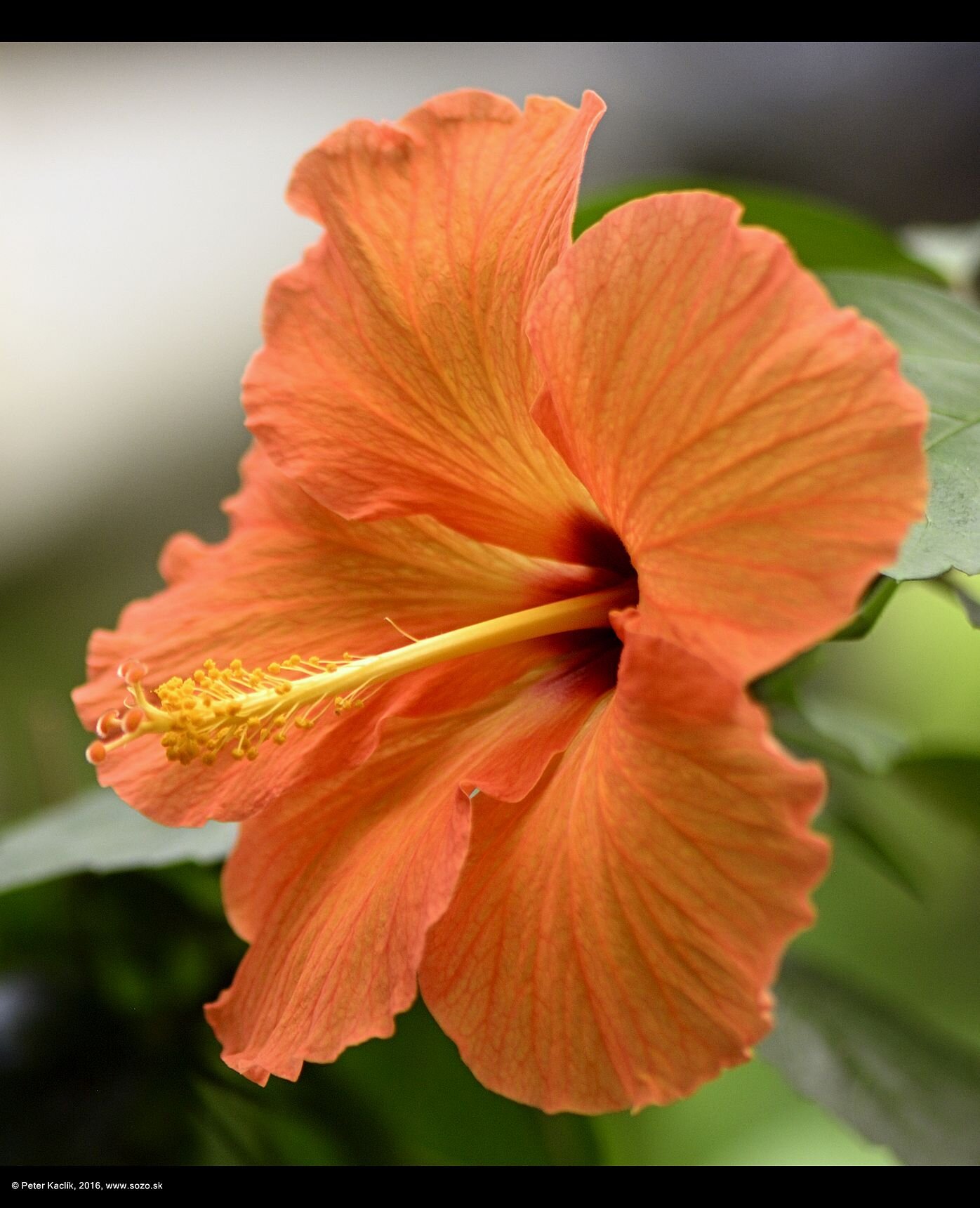
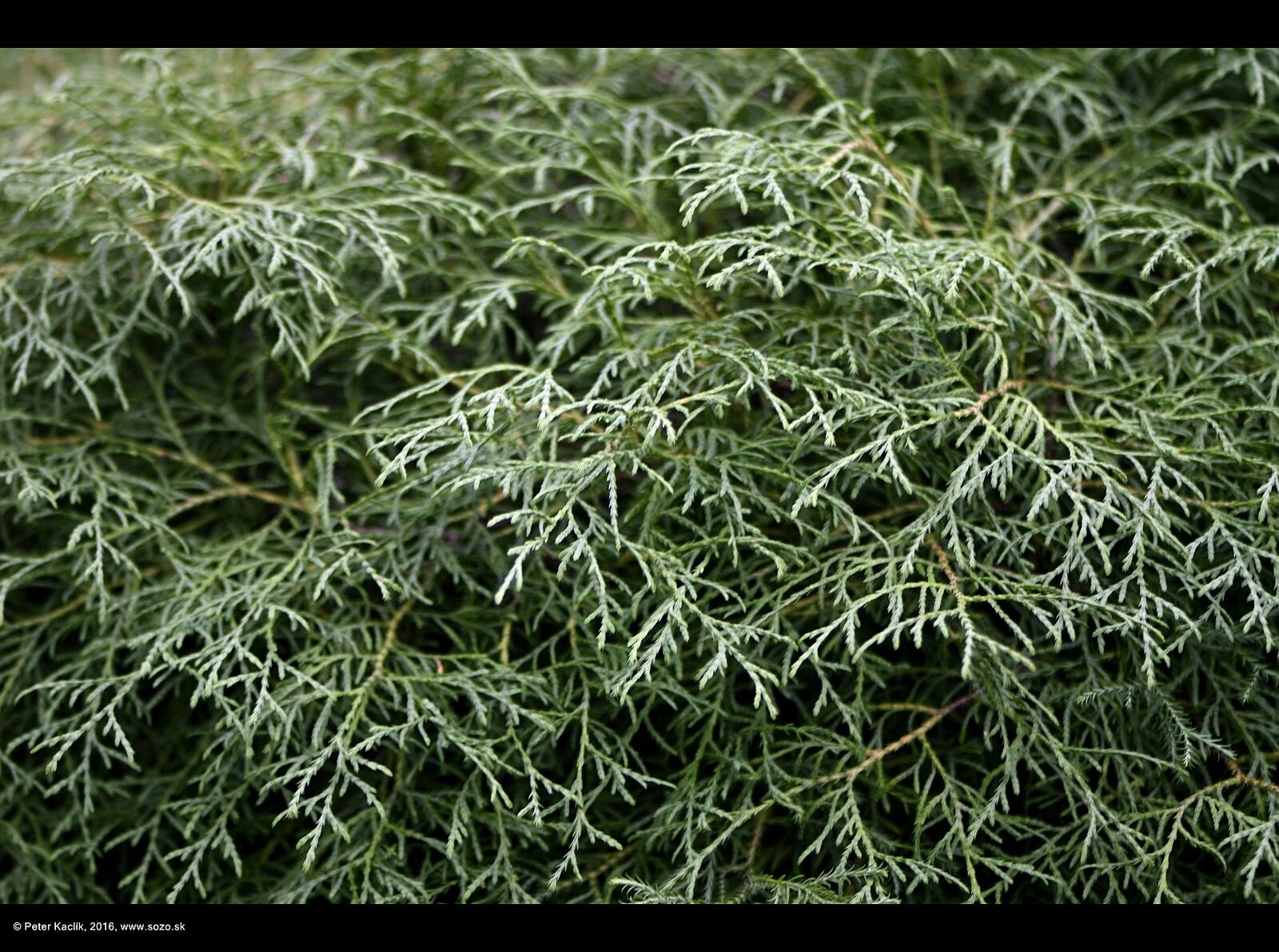
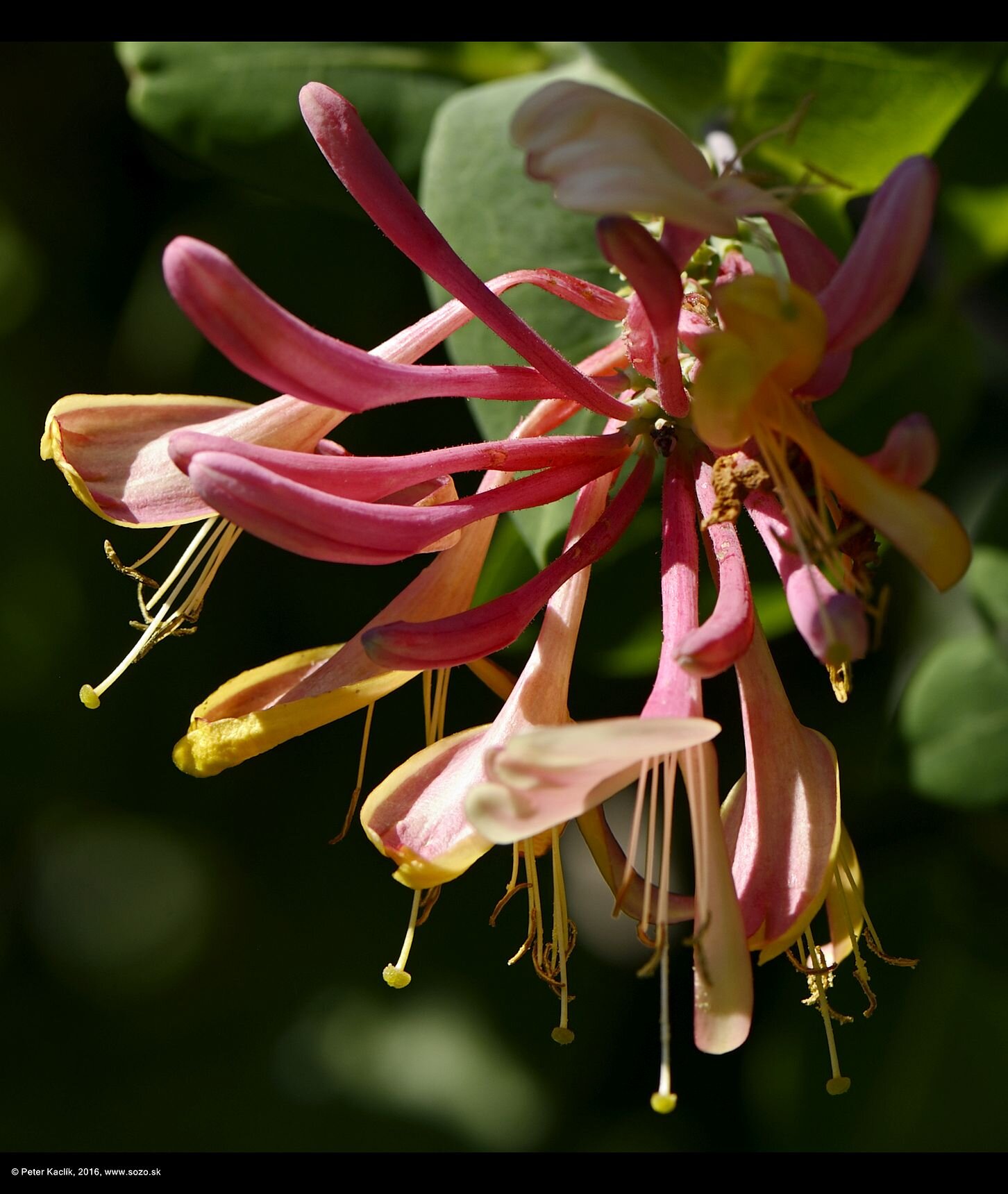
Dreviny sú drevnaté rastliny, ktoré majú vyvinuté drevo a kôru. Kôra tvorí vonkajšiu vrstvu a slúži na látkovú výmenu s vonkajším prostredím. Dreviny majú listy. Množia sa pohlavne semenami, alebo nepohlavne odrezkami, odnožami apod. Dreviny majú vyvinutý transport vody a živín. Rastú do výšky a do šírky, deje sa bunkovým delením. Sú schopné adaptácie na podmienky, sú často súčasťou symbiotických vzťahov s hubami a baktériami. Majú rôzne reprodukčné stratégie a cykly.


Shrubs are woody plants that have developed wood and bark. The bark forms the outer layer and serves for the exchange of substances with the external environment. Shrubs have leaves. They reproduce sexually through seeds or asexually through cuttings, offshoots, etc. Shrubs have a developed transport system for water and nutrients. They grow in height and width through cell division. They are capable of adapting to various conditions and are often part of symbiotic relationships with fungi and bacteria. They exhibit different reproductive strategies and cycles.


Zoznam druhov (231)

Acer (15)

  1. Acer campestre
  2. Acer circinatum
  3. Acer davidii
  4. Acer japonicum
  5. Acer palmatum
  6. Acer palmatum ‚Aureum‘
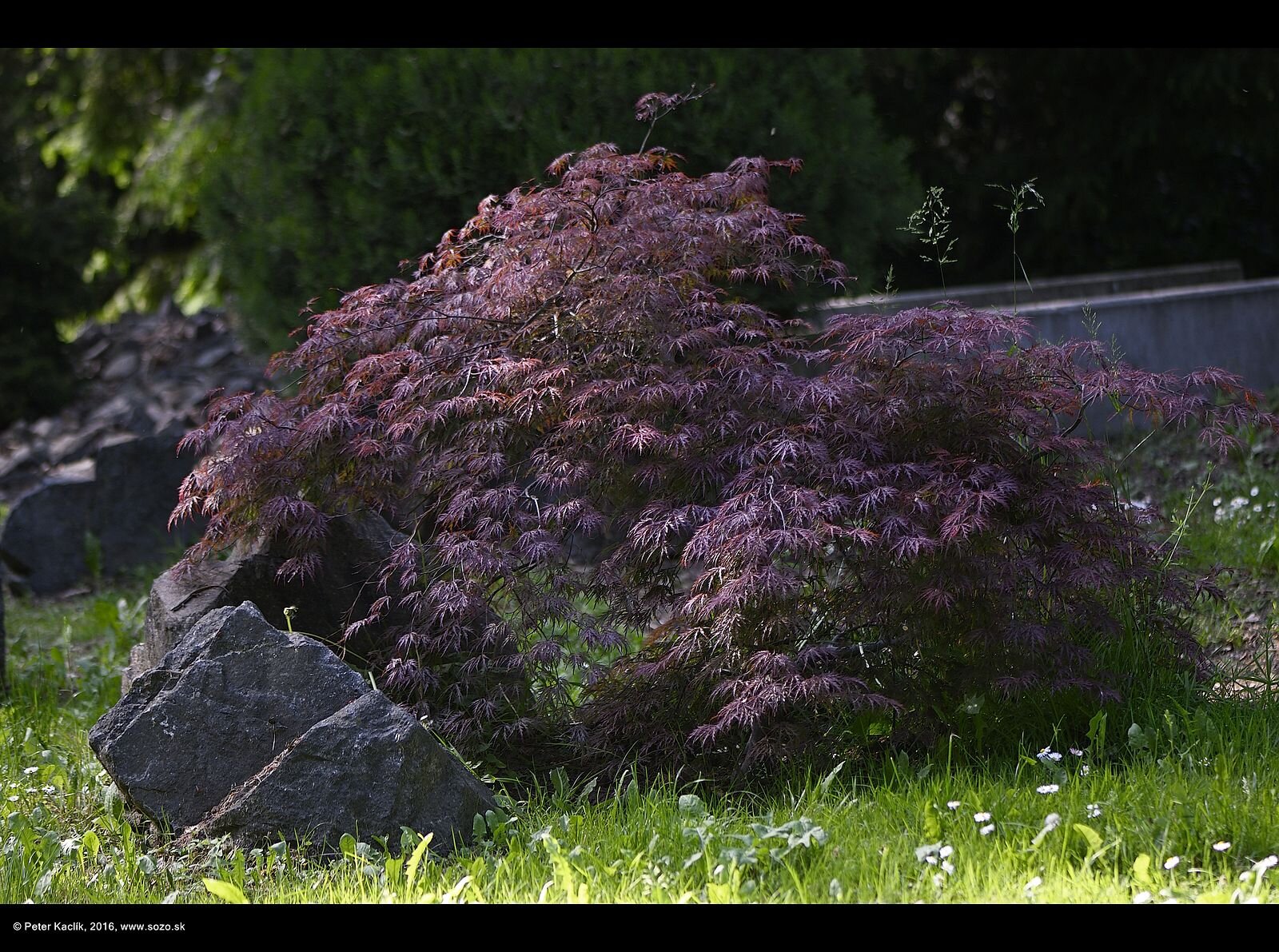
  7. Acer palmatum ‚Dissectum‘
  8. Acer pictum
  9. Acer platanoides
  10. Acer platanoides ‚Drummondii‘
  11. Acer platanoides ‚Prinz Handjery‘
  12. Acer pseudoplatanus
  13. Acer rubrum
  14. Acer saccharum
  15. Acer triflorum

Aesculus (3)

  1. Aesculus hippocastanum
  2. Aesculus parviflora
  3. Aesculus × carnea

A (8)

  1. Abies concolor
  2. Abies nordmanniana
  3. Acacia erioloba
  4. Actinidia kolomikta
  5. Albizia julibrissin
  6. Althaea officinalis
  7. Amelanchier × lamarckii
  8. Araucaria araucana

Berberis (5)

  1. Berberis aquifolium
  2. Berberis bealei
  3. Berberis japonica
  4. Berberis julianae
  5. Berberis thunbergii

B (3)

  1. Betula papyrifera
  2. Betula pendula
  3. Buxus sempervirens

Castanea (3)

  1. Castanea crenata
  2. Castanea dentata
  3. Castanea sativa

Catalpa (3)

  1. Catalpa bignonioides
  2. Catalpa bignonioides ‚Aurea‘
  3. Catalpa ovata

Clematis (3)

  1. Clematis ‚General Sikorski‘
  2. Clematis ‚Niobe‘
  3. Clematis vitalba

Cornus (5)

  1. Cornus alba ‚Elegantissima‘
  2. Cornus controversa
  3. Cornus controversa ‚Variegata‘
  4. Cornus florida
  5. Cornus kousa

Cotoneaster (5)

  1. Cotoneaster acutifolius
  2. Cotoneaster bullatus
  3. Cotoneaster dammeri
  4. Cotoneaster moupinensis
  5. Cotoneaster salicifolius

C (14)

  1. Carpinus betulus
  2. Carpinus orientalis
  3. Cedrus atlantica
  4. Cedrus atlantica ‚Glauca‘
  5. Cercidiphyllum japonicum
  6. Cercis canadensis
  7. Citrus limon
  8. Citrus trifoliata
  9. Clerodendrum thomsoniae
  10. Corylus avellana
  11. Cotinus coggygria
  12. Crataegus persimilis
  13. Cryptomeria japonica
  14. Cupressus sempervirens

D (3)

  1. Deutzia ningpoensis
  2. Deutzia scabra
  3. Diospyros lotus

Euonymus (4)

  1. Euonymus europaeus
  2. Euonymus fortunei
  3. Euonymus grandiflorus
  4. Euonymus sachalinensis

E (4)

  1. Elaeagnus pungens
  2. Elaeagnus pungens ‚Maculata‘
  3. Erica carnea
  4. Eriophyes vitis

Fagus (3)

  1. Fagus orientalis
  2. Fagus sylvatica
  3. Fagus sylvatica ‚Purpurea‘

Fraxinus (4)

  1. Fraxinus americana
  2. Fraxinus angustifolia
  3. Fraxinus excelsior
  4. Fraxinus ornus

F (4)

  1. Ficus benjamina
  2. Ficus benjamina ‚Variegata‘
  3. Forsythia suspensa
  4. Forsythia viridissima

G (4)

  1. Gingko biloba
  2. Gleditsia aquatica
  3. Gleditsia triacanthos
  4. Gymnocladus dioicus

H (3)

  1. Hamamelis mollis
  2. Hamamelis virginiana
  3. Hibiscus rosa-sinensis

Chamaecyparis (3)

  1. Chamaecyparis lawsoniana
  2. Chamaecyparis obtusa
  3. Chamaecyparis pisifera

I (1)

  1. Isatis tinctoria

J (4)

  1. Juglans mandshurica
  2. Juglans regia
  3. Juniperus horizontalis
  4. Juniperus scopulorum

K (3)

  1. Koelreuteria paniculata
  2. Koelreuteria paniculata ‚Golden Rain Tree‘
  3. Kolkwitzia amabilis

Larix (3)

  1. Larix decidua
  2. Larix kaempferi
  3. Larix laricina

L (6)

  1. Ligustrum obtusifolium
  2. Ligustrum vulgare
  3. Liquidambar formosana
  4. Liquidambar styraciflua
  5. Liriodendron tulipifera
  6. Lonicera ligustrina

Magnolia (6)

  1. Magnolia denudata
  2. Magnolia liliiflora
  3. Magnolia salicifolia
  4. Magnolia soulengeana
  5. Magnolia × loebneri
  6. Magnolia × soulangeana

M (2)

  1. Malus domestica
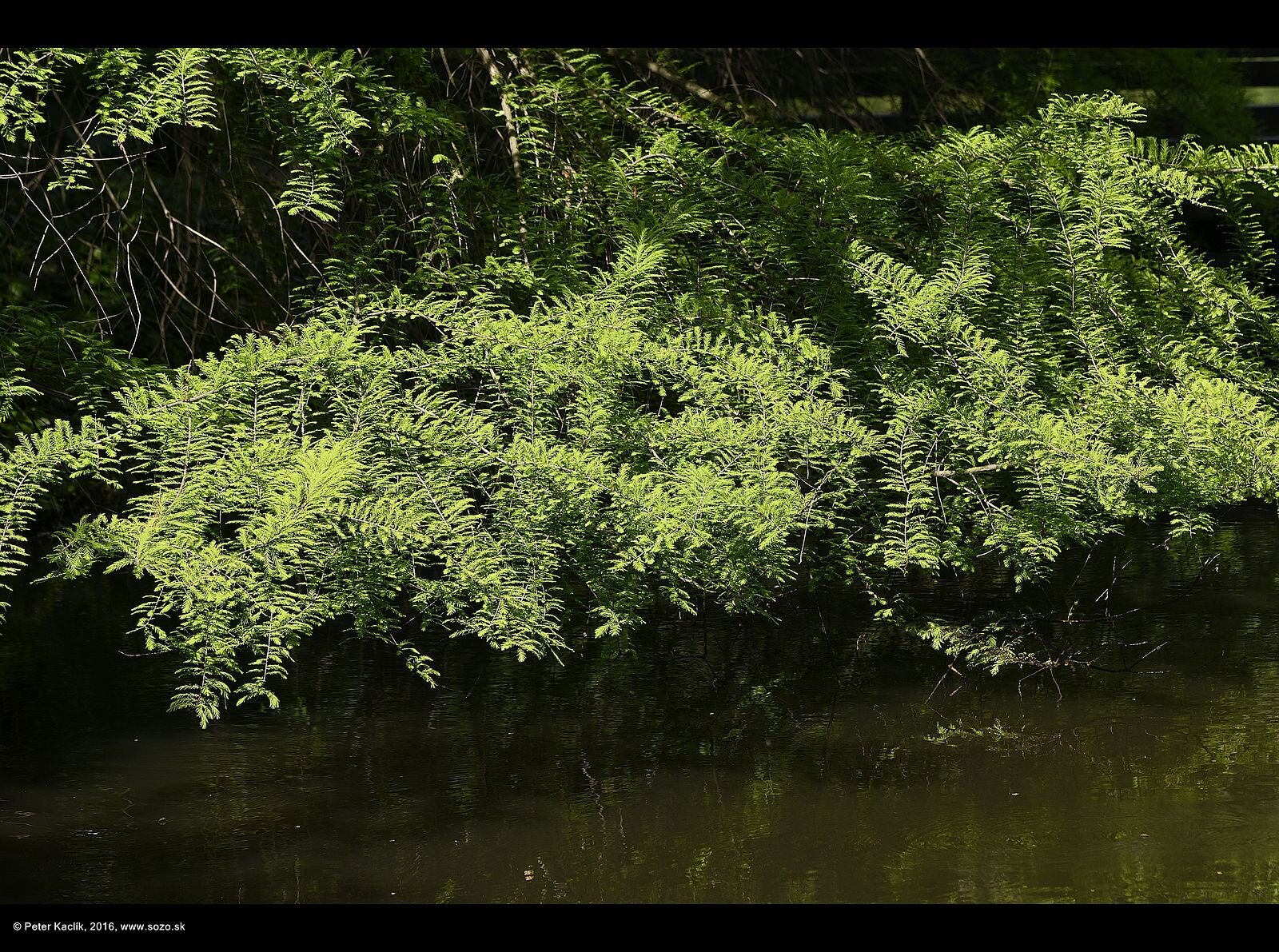
  2. Metasequoia glyptostroboides

N (1)

  1. Nerium oleander

O (1)

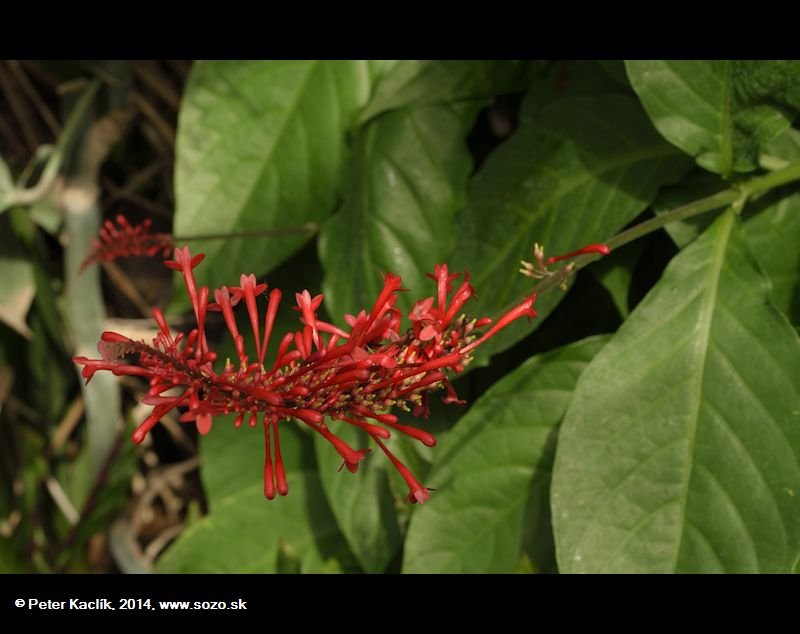
  1. Odontonema strictum

Picea (3)

  1. Picea abies
  2. Picea laxa
  3. Picea orientalis

Pinus (10)

  1. Pinus armandi
  2. Pinus cembra
  3. Pinus mugo
  4. Pinus nigra
  5. Pinus pinaster
  6. Pinus ponderosa
  7. Pinus resinosa
  8. Pinus strobus
  9. Pinus sylvestris
  10. Pinus wallichiana

Prunus (10)

  1. Prunus avium
  2. Prunus cerasifera
  3. Prunus laurocerasus
  4. Prunus laurocerasus ‚Castlewellan‘
  5. Prunus mahaleb
  6. Prunus padus
  7. Prunus persica
  8. Prunus serotina
  9. Prunus spinosa
  10. Prunus × yedoensis

P (11)

  1. Parthenocissus quinquefolia
  2. Parthenocissus tricuspidata
  3. Paulownia tomentosa
  4. Physocarpus opulifolius
  5. Pistacia chinensis
  6. Platanus hispanica
  7. Platycladus orientalis
  8. Populus nigra
  9. Pourthiaea villosa
  10. Pterocarya fraxinifolia
  11. Pyracantha coccinea

Quercus (7)

  1. Quercus acutissima
  2. Quercus bicolor
  3. Quercus coccinea
  4. Quercus palustris
  5. Quercus petraea
  6. Quercus robur
  7. Quercus velutina

Rhododendron (25)

  1. Rhododendron albrechtii
  2. Rhododendron argyrophyllum
  3. Rhododendron balfourianum
  4. Rhododendron calendulaceum
  5. Rhododendron catawbiense
  6. Rhododendron decorum
  7. Rhododendron degronianum
  8. Rhododendron ferrugineum
  9. Rhododendron impeditum
  10. Rhododendron indicum
  11. Rhododendron irroratum
  12. Rhododendron kaempferi
  13. Rhododendron kiusianum Makino
  14. Rhododendron luteum
  15. Rhododendron maximum
  16. Rhododendron mimetes
  17. Rhododendron ponticum
  18. Rhododendron pseudochrysanthum
  19. Rhododendron roseum
  20. Rhododendron simsii
  21. Rhododendron smirnowii
  22. Rhododendron wadanum
  23. Rhododendron yakushimanum
  24. Rhododendron yedoense
  25. Rhododendron × detonsum

Ribes (4)

  1. Ribes nigrum
  2. Ribes rubrum
  3. Ribes sanguineum
  4. Ribes × nidigrolaria

R (4)

  1. Rhus typhina
  2. Robinia hispida
  3. Rubus caesius
  4. Rubus fruticosus

Salix (5)

  1. Salix babylonica
  2. Salix integra
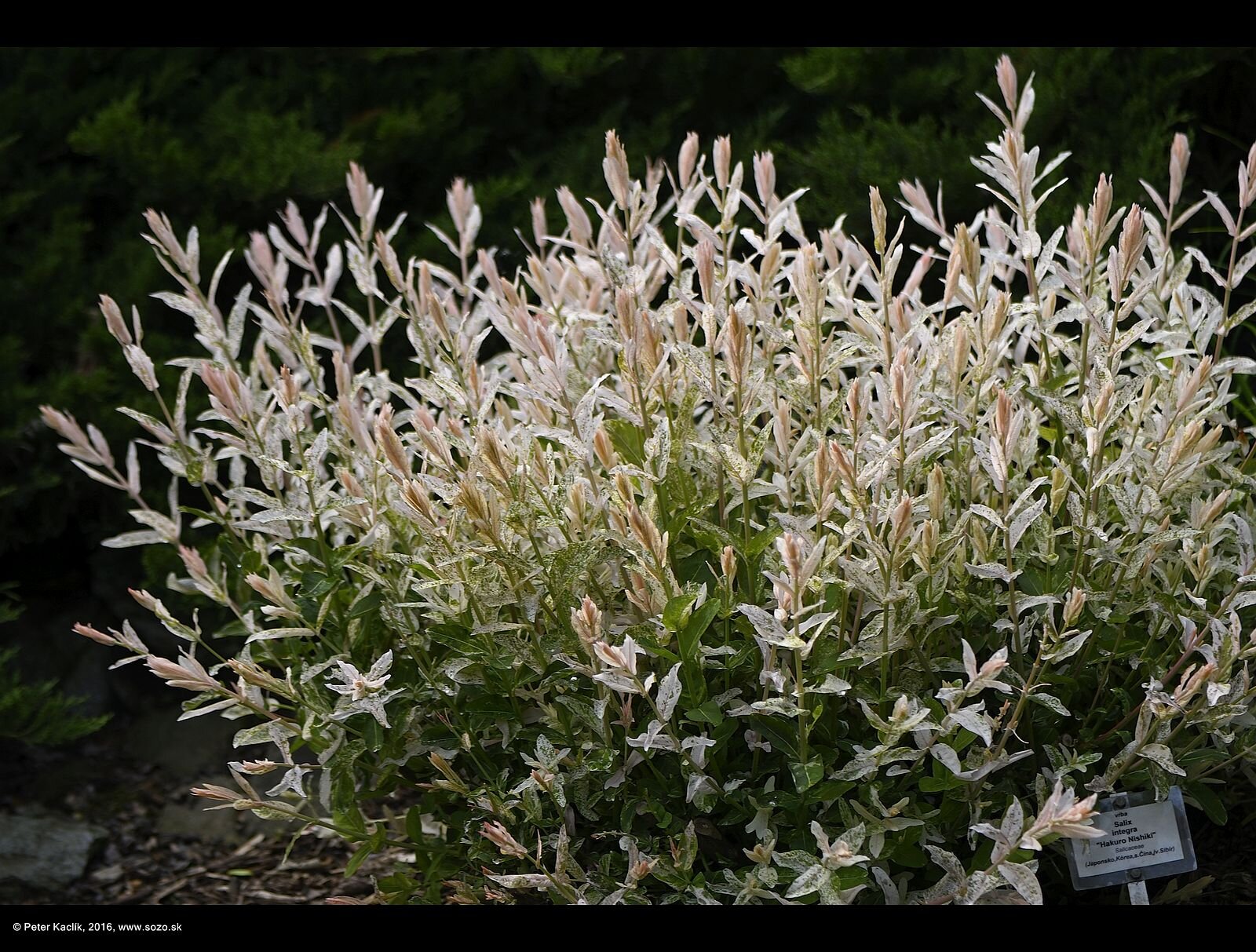
  3. Salix integra ‚Hakuro Nishiki‘
  4. Salix purpurea
  5. Salix viminalis

Syringa (6)

  1. Syringa meyeri ‚Palibin‘
  2. Syringa oblata
  3. Syringa pubescens
  4. Syringa reticulata
  5. Syringa villosa
  6. Syringa vulgaris

S (4)

  1. Sambucus nigra
  2. Sciadopitys verticillata
  3. Sequoia sempervirens
  4. Sequoiadendron giganteum

T (5)

  1. Taxus canadensis
  2. Thuja occidentalis
  3. Thuja plicata
  4. Thujopsis dolabrata
  5. Tilia cordata

Ulmus (3)

  1. Ulmus laevis
  2. Ulmus minor
  3. Ulmus × hollandica

Viburnum (4)

  1. Viburnum lantana
  2. Viburnum opulus
  3. Viburnum prunifolium
  4. Viburnum rhytidophyllum

W (2)

  1. Weigela florida
  2. Weigela florida ‚Variegata‘

Z (2)

  1. Zanthoxylum bungeanum
  2. Zelkova serrata

Odkazy


TOP


Listnaté dreviny (výber)


Ihličnaté dreviny (výber)

Kvitnúce dreviny (výber)


Ovocie (42)


Podľa druhov


Javory – Acer (143)


Rododendrony – Rhododendron (111)


Duby – Quercus (71)


Slivky – Prunus (61)


Magnólie – Magnolia (32)


Dráče – Berberis (29)


Ríbezle – Ribes (29)


Borovice – Pinus (21)


Sekvoje (20)


Driene – Cornus (18)


Tuje – Thuja (17)


Gaštany – Castanea (16)


Orgovány – Syringa (16)


Kaliny – Viburnum (10)


Podľa abecedy

A (30)

B (5)

C (58)

D (4)

E (11)

F (24)

G (7)

H (10)

CH (5)

I (1)

J (7)

K (6)

L (28)

M (10)

N (2)

O (1)

P (43)

R (9)

S (12)

T (5)

U (2)

W (2)

Z (11)

Fotografie, Krajina, TOP

Krajina – najkrajšie fotografie krajiny

Hits: 44362

Tento vizuálny projekt zachytáva krásu krajiny – častokrát zo Slovenska – no zároveňe oveľa ďalej. Každý záber ponúka nielen estetický zážitok, ale aj hlbší pohľad na to, ako jedinečná a rôznorodá je krajina – od drsnej horskej prírody, cez tiché jazerné kotliny, po žiarivé obecné námestia. Silný kontrast medzi divokou prírodou a ľudskými zásahmi do nej vystihuje estetický zámer tejto kolekcie. Krajina predstavuje pamäť, pohyb a ticho. Nie je len kulisa, kde sa odohráva náš život. Je to živá štruktúra. Prírodný priestor sa stáva rozprávačom o čase, ktorý utiekol, o sile prvkov, ktoré formujú svet, o človeku, ktorý sa rozhodol len pozorovať a nezasahovať.

Každá snímka pôsobí ako poetický výsek z väčšieho celku. Popradské pleso v rannom opare, cestička strácajúca sa medzi stromami, osamotené duby na horizonte – to všetko sú výjavy, ktoré nás nepozývajú len obdivovať krásu, ale kladú otázky. Čo ostalo z pôvodnej krajiny? Aký je vzťah medzi kultúrnou a divokou prírodou? Prečo nás niektoré miesta emocionálne zasiahnu viac než iné? Fotografie nevnímajú krajinu ako dekoráciu, ale ako zrkadlo vnútornej krajiny človeka – akési emocionálne rozšírenie. Hoci na mnohých záberoch nie sú ľudia, sú hlboko ľudské: svojou osamelosťou, majestátom alebo zvláštnou krehkosťou svetla a priestoru. Sú estetikou percepcie.

Využívam strednú až nízku hĺbku ostrosti, zlatý rez a vrstvenie priestoru, prácu so svetlom okolo východu a západu slnka, kontemplatívnu kompozíciu. Tieto voľby nie sú len vizuálne, ale spomaľujú čas. Pozorovateľ sa do obrazu doslova vnára. Výsledok nie je len fotografia – je to skúsenosť. Vnímam tieto fotografie – obrazy ako vizuálnu ekológiu – tichý apel na to, aby sme krajinu nevnímali ako spotrebný priestor, ale ako bytosť, s ktorou sme v hlbokom vzťahu. Mnohé z týchto obrazov by sa dali nazvať až vizuálnou modlitbou za krajinu.


This visual project captures the beauty of the landscape—often from Slovakia—but also goes far beyond that. Each image offers not only an aesthetic experience but also a deeper insight into the uniqueness and diversity of the landscape—from rugged mountain wilderness, through quiet lake basins, to vibrant village squares. The strong contrast between wild nature and human interventions reflects the aesthetic intent of this collection. The landscape represents memory, movement, and silence. It is not merely a backdrop where life unfolds. It is a living structure. Natural space becomes a storyteller—of time that has passed, of the force of elements that shape the world, of the human being who chooses to observe rather than intervene.
Each photograph appears as a poetic excerpt from a larger whole. Popradské pleso in the morning mist, a path disappearing among trees, solitary oaks on the horizon—these are scenes that not only invite admiration but also raise questions. What remains of the original landscape? What is the relationship between cultural and wild nature? Why do certain places move us more deeply than others? These photographs do not see the landscape as decoration, but as a mirror of the inner landscape of the human being—an emotional extension. Though people are often absent from the frames, they remain deeply human: in their solitude, majesty, or the fragile tenderness of light and space. They represent the aesthetics of perception.
I use medium to shallow depth of field, the golden ratio, layered composition, and light around sunrise and sunset to achieve a contemplative visual. These choices are not only visual—they slow down time. The observer is drawn into the image. The result is not just a photograph—it is an experience. I see these images as visual ecology—a quiet appeal to perceive the landscape not as a consumable space, but as a being with whom we are in deep relationship. Many of these images could be seen as a visual prayer for the land.


Dieses visuelle Projekt fängt die Schönheit der Landschaft ein – oft aus der Slowakei – und geht dabei weit darüber hinaus. Jedes Bild bietet nicht nur ein ästhetisches Erlebnis, sondern auch einen tieferen Einblick in die Einzigartigkeit und Vielfalt der Landschaft – von rauer Bergnatur über stille Seenbecken bis hin zu lebendigen Dorfplätzen. Der starke Kontrast zwischen unberührter Natur und menschlichen Eingriffen spiegelt die ästhetische Absicht dieser Sammlung wider. Die Landschaft steht für Erinnerung, Bewegung und Stille. Sie ist nicht bloß eine Kulisse unseres Lebens. Sie ist eine lebendige Struktur. Der Naturraum wird zum Erzähler – von der verflossenen Zeit, von den Kräften, die die Welt formen, vom Menschen, der sich entschließt, zu beobachten und nicht einzugreifen.

Jedes Foto wirkt wie ein poetischer Ausschnitt aus einem größeren Ganzen. Das Popradské pleso im morgendlichen Nebel, ein Pfad, der sich im Wald verliert, einsame Eichen am Horizont – all das sind Szenen, die nicht nur zur Bewunderung einladen, sondern Fragen aufwerfen. Was ist von der ursprünglichen Landschaft geblieben? Wie ist das Verhältnis zwischen kultureller und wilder Natur? Warum berühren uns manche Orte emotional tiefer als andere? Diese Fotografien verstehen die Landschaft nicht als Dekoration, sondern als Spiegel der inneren Landschaft des Menschen – als emotionale Erweiterung. Auch wenn auf vielen Bildern keine Menschen zu sehen sind, sind sie tief menschlich: durch ihre Einsamkeit, ihre Erhabenheit oder die besondere Zerbrechlichkeit von Licht und Raum. Sie sind eine Ästhetik der Wahrnehmung.

Ich verwende eine mittlere bis geringe Tiefenschärfe, den Goldenen Schnitt, räumliche Schichtung und das Licht rund um Sonnenaufgang und Sonnenuntergang. Diese Entscheidungen sind nicht nur visuell – sie verlangsamen die Zeit. Der Betrachter wird in das Bild hineingezogen. Das Ergebnis ist nicht bloß ein Foto – es ist eine Erfahrung. Ich verstehe diese Bilder als visuelle Ökologie – einen stillen Appell, die Landschaft nicht als Verbrauchsraum zu sehen, sondern als Wesen, mit dem wir in tiefer Beziehung stehen. Viele dieser Bilder könnten als visuelles Gebet für die Landschaft bezeichnet werden.


Ce projet visuel capture la beauté du paysage – souvent en Slovaquie – mais va bien au-delà. Chaque image offre non seulement une expérience esthétique, mais aussi un regard plus profond sur l’unicité et la diversité du paysage – des montagnes sauvages, aux bassins lacustres silencieux, jusqu’aux places de village éclatantes. Le contraste fort entre la nature sauvage et les interventions humaines reflète l’intention esthétique de cette collection. Le paysage incarne la mémoire, le mouvement et le silence. Ce n’est pas simplement un décor où la vie se déroule. C’est une structure vivante. L’espace naturel devient un conteur – du temps qui s’est écoulé, de la force des éléments qui façonnent le monde, de l’humain qui choisit d’observer sans intervenir.

Chaque photographie agit comme un fragment poétique d’un ensemble plus vaste. Le lac de Poprad dans la brume du matin, un chemin se perdant entre les arbres, des chênes solitaires à l’horizon – ces scènes ne nous invitent pas seulement à contempler la beauté, mais posent des questions. Que reste-t-il du paysage originel ? Quelle est la relation entre nature culturelle et sauvage ? Pourquoi certains lieux nous touchent-ils plus profondément que d’autres ? Ces photographies ne considèrent pas le paysage comme une simple décoration, mais comme un miroir du paysage intérieur de l’homme – une extension émotionnelle. Bien que les êtres humains soient souvent absents, ces images sont profondément humaines : par leur solitude, leur majesté, ou la fragilité particulière de la lumière et de l’espace. Elles incarnent une esthétique de la perception.

J’utilise une profondeur de champ moyenne à faible, la règle d’or, une composition en strates, et la lumière autour du lever ou coucher du soleil. Ces choix ne sont pas que visuels – ils ralentissent le temps. L’observateur est littéralement absorbé dans l’image. Le résultat n’est pas juste une photographie – c’est une expérience. Je conçois ces images comme une écologie visuelle – un appel silencieux à ne pas voir le paysage comme un espace à consommer, mais comme un être avec lequel nous entretenons une relation profonde. Beaucoup de ces images pourraient être vues comme une prière visuelle pour la terre.