Fotografie, Krajina, Organizmy, Príroda, Príroda v čase, Rakúsko, Rastliny, Zahraničie

Jar na Braunsbergu

Hits: 2225

Jar na Braunsbergu je skvelou príležitosťou zažiť prebudenie prírody a vidieť jedinečné výhľady na okolitú krajinu. V jarnom období sa Braunsberg mení na oázu farebných kvetov a zelenej vegetácie. Stromy začínajú pučať, na svahoch kopca sa objavujú prvé jarabiny, marhule a čerešne, ktoré vytvárajú pôsobivú paletu farieb a vôní. Je síce ešte chladnejšie počasie, ale oplatí sa sem zájsť. Na Braunsbergu sa nachádza množstvo turistických chodníkov a cyklotrás, ktoré umožňujú pohodlný a príjemný spôsob, ako preskúmať tento úžasný krajinný park v jarnom období.

Zoznam druhov (19)

  1. Allium senescens
  2. Alyssum alyssoides
  3. Alyssum minutum
  4. Aurinia saxatilis
  5. Centaurea corymbosa
  6. Cirsium arvense
  7. Descurainia sophia
  8. Euphorbia cyparissias
  9. Globularia vulgaris
  10. Grimmia pulvinata
  11. Potentilla aurea
  12. Primula veris
  13. Prunus mahaleb
  14. Prunus spinosa
  15. Sedum brevifolium
  16. Variospora dolomiticola
  17. Verbascum speciosum
  18. Viola kitaibeliana
  19. Xanthoria elegans

Spring on Braunsberg is a great opportunity to experience the awakening of nature and see unique views of the surrounding landscape. In the springtime, Braunsberg transforms into an oasis of colorful flowers and green vegetation. Trees begin to bud, and on the slopes of the hill, the first rowans, apricots, and cherries appear, creating an impressive palette of colors and scents. While the weather may still be cooler, it’s worth a visit here. Braunsberg boasts numerous hiking trails and cycling routes, providing a comfortable and enjoyable way to explore this amazing landscape park in the springtime.


Der Frühling auf dem Braunsberg ist eine großartige Gelegenheit, das Erwachen der Natur zu erleben und einzigartige Ausblicke auf die umliegende Landschaft zu genießen. Im Frühling verwandelt sich der Braunsberg in eine Oase aus bunten Blumen und grüner Vegetation. Bäume beginnen zu knospen, und an den Hängen des Hügels erscheinen die ersten Ebereschen, Aprikosen und Kirschen, die eine beeindruckende Palette von Farben und Düften erzeugen. Auch wenn das Wetter noch etwas kühler sein kann, lohnt sich ein Besuch hier. Der Braunsberg verfügt über zahlreiche Wanderwege und Radwege, die einen bequemen und angenehmen Weg bieten, um diesen erstaunlichen Landschaftspark im Frühling zu erkunden.


Polia a lány (19)
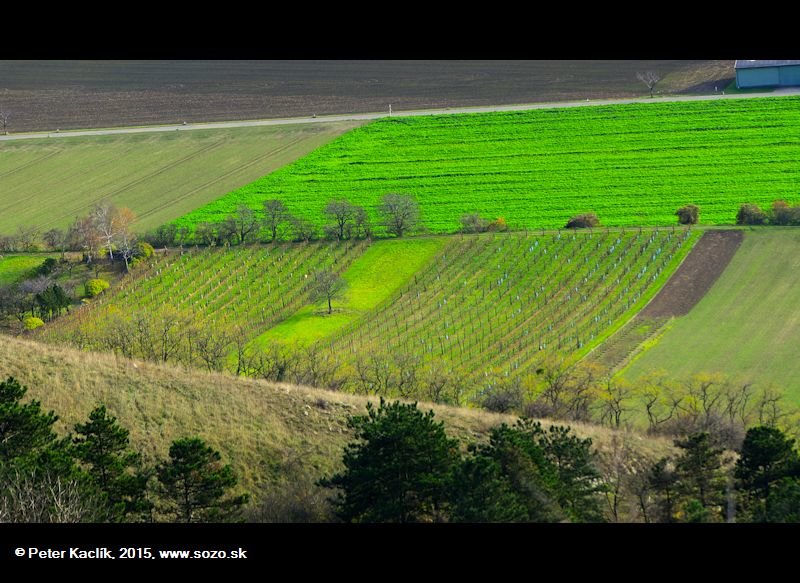
Línie (17)

Iná krajina (25)
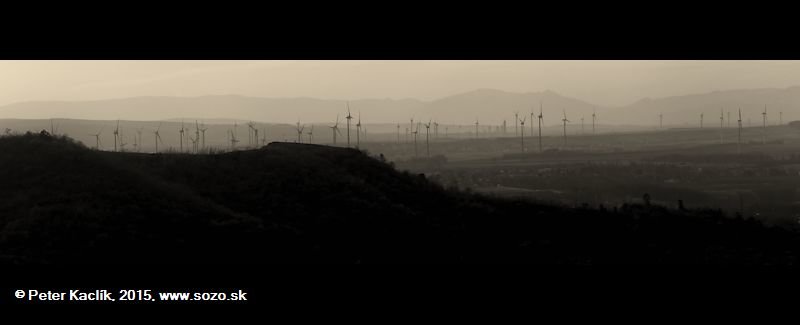

Lišajníky, mliečniky a rozchodníky (22)

Stromy (14)
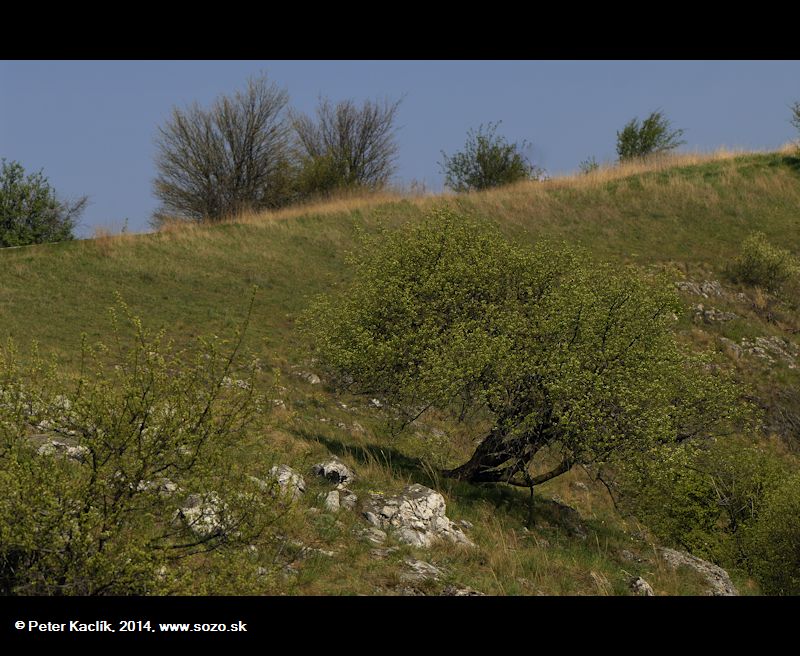

Ostatné (40)

Fotografie, Krajina, Malé Karpaty, Slovensko, Záhorie

Železná Studienka

Hits: 4163

Železná Studienka (Studnička) je hodnotná lokalita Bratislavy. Časť prírody pri betónovej džungli. Nachádza sa tu viacero jazier, rôznych zariadení vhodných pre oddych, turistiku. Všetko obklopuje les.

Vo Vydrickej doline sa už veľmi dávno usadili mlynári, ktorí tu postavili mlyny (Brna). Jeden z nich je prezentovaný v inom príspevku. V roku 1830 tu boli otvorené Ferdinandove kúpele (Eisenbrundel), ktoré vybudoval Jozef Pergameny (Brna). Avšak v roku 1844 ich Jakub Palugay prerobil na hotel. Mesto začalo spravovať lokalitu v roku 1894. V roku 1938 sa uskutočnila rozsiahla revitalizácia celého areálu. Objekt ale v 60-tych rokoch 20. storočia devastoval až v roku 1970 budovu asanovali. Úprava Vydrice v minulosti spôsobila narušenie spodných vôd a prameň zanikol. Súčasťou mlynov boli vodné nádrže. Prvá je datovaná už do roku 1761. V roku 1846 boli vybudované štyri. K ich oživeniu po zániku mlynov prišlo v roku 1901. Stali sa z nich rybníky s možnosťou kúpania, člnkovania a v zime korčuľovania (Brna).


Železná Studienka (Studnička) is a valuable location in Bratislava. It’s a part of nature amidst the concrete jungle. Here, you can find several lakes, various facilities suitable for relaxation, hiking, all surrounded by forests.

In the Vydrica Valley, millers settled long ago, constructing mills (Brna). One of them is presented in another contribution. In 1830, Ferdinand’s baths (Eisenbrundel) were opened here, built by Jozef Pergameny (Brna). However, in 1844, Jakub Palugay converted them into a hotel. The city began to manage the area in 1894. In 1938, extensive revitalization of the entire area took place. However, the building was devastated in the 1960s, and it was demolished in 1970. Past modifications to Vydricka led to disruption of groundwater, and the spring disappeared. Water reservoirs were part of the mills. The first one dates back to 1761. In 1846, four were built. They were revived after the mills ceased in 1901. They became ponds suitable for swimming, boating, and winter skating (Brna).


Odkazy

Fotografie, Príroda

Slnko

Hits: 3006

Slnko je zdrojom života pre Zem. Jeho vplyv na náš svet je nepopierateľný a jeho význam v našom živote je nesmierny. Slnko nás fascinuje svojou krásou, silou a dôležitosťou. Je to symbol života, energie a nekonečného vesmíru, ktorý nás dennodenne obklopuje svojím svetlom a teplom. Slnko je hromadou plazmy, ktorá je zložená z vodíka a hélia. Jeho povrchová teplota dosahuje neuveriteľných približne 5500 °C a jeho hmotnosť predstavuje približne 99,8 % celej hmotnosti slnečnej sústavy. Jedným z najdôležitejších javov spojených so Slnkom je jeho žiarenie, ktoré zahŕňa elektromagnetické žiarenie vo forme viditeľného svetla, ultrafialového žiarenia a röntgenového žiarenia. Tento slnečný tok energie je základným faktorom, ktorý umožňuje život na Zemi. Bez slnečného svetla by nebola možná fotosyntéza, nebola by možná tvorba organickej hmoty. Okrem toho Slnko ovplyvňuje aj počasie a klimatické podmienky na Zemi.

Pre mnohé kultúry a civilizácie malo Slnko božský status a bolo predmetom uctievania a náboženských obradov. Jeho cyklické pohyby a sezónne zmeny slúžili ako základ pre rôzne kalendáre a sviatky. Štúdium Slnka je dôležité pre naše poznanie vesmíru a pre pochopenie jeho vplyvu na život na Zemi. Moderné astronomické technológie nám umožňujú študovať jeho štruktúru, vlastnosti a dynamiku s vysokou presnosťou.


The Sun is the source of life for Earth. Its influence on our world is undeniable, and its significance in our lives is immense. The Sun fascinates us with its beauty, power, and importance. It is a symbol of life, energy, and the infinite universe that surrounds us daily with its light and warmth. The Sun is a mass of plasma composed mainly of hydrogen and helium. Its surface temperature reaches an incredible approximately 5500 °C, and its mass accounts for approximately 99.8% of the entire mass of the solar system. One of the most important phenomena associated with the Sun is its radiation, which includes electromagnetic radiation in the form of visible light, ultraviolet radiation, and X-rays. This solar energy flux is a fundamental factor that enables life on Earth. Without sunlight, photosynthesis would not be possible, and the formation of organic matter would not occur. Additionally, the Sun influences weather and climatic conditions on Earth.

For many cultures and civilizations, the Sun held a divine status and was the subject of worship and religious rituals. Its cyclical movements and seasonal changes served as the basis for various calendars and holidays. The study of the Sun is essential for our understanding of the universe and its impact on life on Earth. Modern astronomical technologies allow us to study its structure, properties, and dynamics with high precision.